





























Snapchat Is Using Your Content for AI — BEWARE

There’s a point where “innovation” crosses into “invasion,” and Snapchat has walked straight into it. They quietly flipped on a feature that lets them use your public posts to train their AI. No popup. No warning. Just a silent green switch hiding inside your settings.
Most people don’t even know it exists, and that’s exactly why it’s a problem. Your face, voice, and posts are not just content — they’re data. And once a platform starts using that data without a real, conscious yes from you, it’s time to wake up and treat your privacy like something worth guarding.
What Snapchat Actually Changed
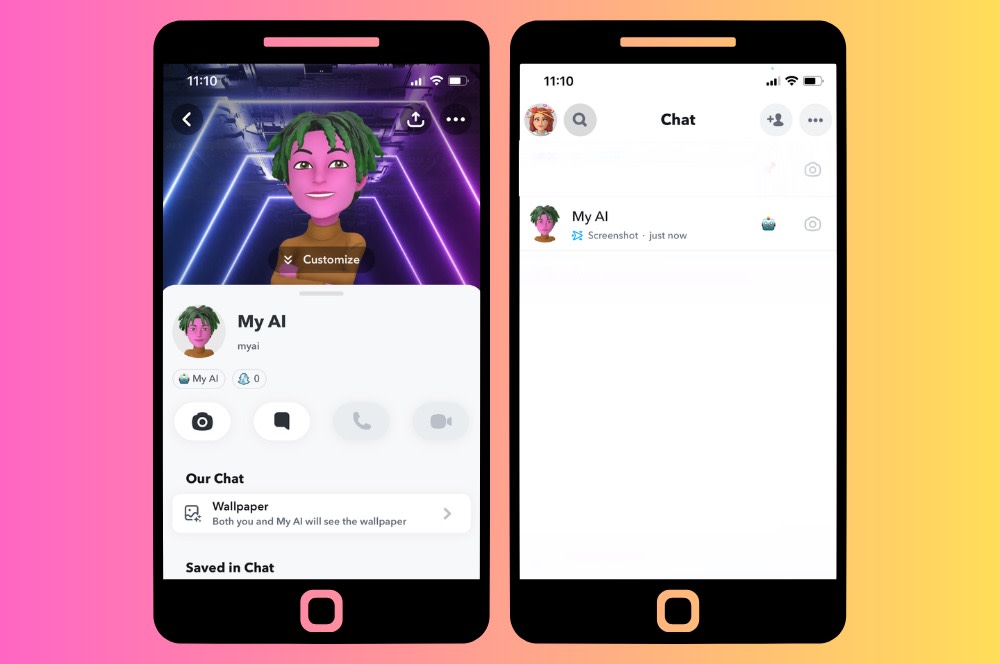
Deep inside the settings, Snapchat added an option called “Allow Use of Public Content.” This allows them to take anything you post publicly like Stories, Spotlight clips, Map posts, images, audio and feed it straight into their AI systems.
The issue isn’t the feature itself. It’s the fact that the toggle is already switched ON. Automatically. Without a prompt. If you’ve ever posted something publicly, Snapchat assumes you’re perfectly fine with it being used for machine training. Whether that was your intention or not doesn’t matter to them; they built the rule, and you got dragged under it.
What This Means for Your Photos, Videos and Face
Public content may sound harmless, but let’s not pretend all public posts are fair game for AI. Your pictures carry your features. Your videos carry your voice. Even a short clip can reveal where you are, what you look like, and who you’re with.
When an AI model learns from your posts, that information doesn’t come back out. You can delete the post, but the training is done. You can turn the switch off, but the model doesn’t “unlearn” you. That’s the part nobody wants to say out loud — once your data enters a growing AI system, the control slips out of your hands.
Why Social Media Is Becoming Increasingly Risky
Privacy settings on major platforms used to be clear and simple. Now, they’re buried under layers of menus with vague names and confusing language. Companies keep “adjusting” settings in ways that benefit them and keep the user in the dark.
What’s risky here isn’t just data collection — it’s normalization. Every time a platform quietly enables something like this, the boundary moves a little further. People stop noticing. People stop caring. And that’s how privacy erodes: slowly, silently, and through features that sound harmless until you understand the consequences.
How to Protect Yourself Before Your Data Becomes Free Training Material
A. Switch Off Snapchat’s AI Access Immediately
Go to:
Settings → Privacy Controls → Generative AI → “Allow Use of Public Content” → Turn it OFF
It takes a few seconds, and it’s the simplest step you’ll ever take to keep your content out of their training models.
B. Stop Treating “Public” Like It Means Safe
Anything public is usable. Not just by Snapchat — by anyone. If you don’t want your face or voice floating around AI datasets one day, stop leaving posts open beyond your friends.
C. Review All Your Social Media Permissions Regularly
Apps evolve. New features slip in. Settings change silently. Make it a habit to check your permissions every few weeks. It’s boring, but it’s cheaper than losing control of your data.
D. Share Only What You’re Okay Losing Control Over
Once you upload something, it’s not fully yours anymore. If a post contains something personal, unique, or sensitive, rethink whether it needs to be online at all.

Conclusion: Your Privacy Won’t Defend Itself
Snapchat didn’t make a mistake — they made a choice. And if you don’t make yours, the platform wins by default. This isn’t about being paranoid; it’s about being aware.
You don’t need to quit social media, but you do need to stop walking through it with your eyes closed.
Your data is valuable. Your face is valuable. Your voice is valuable.
If you don’t protect it, someone else will use it — and they won’t ask for permission.
Related Posts

Netflix Opens the Door for India’s Next Generation of Storytellers

TikTok Takes Comments to the Next Level with Voice, Polls and Carousels

Why Instagram Removed IGTV and How Reels Replaced It
How Meta Will Pull Off Massive Changes to Its Social Media Apps