





























How YouTube Counts Live Stream Views in 2026

If you are a newbie to live streaming on YouTube and are wondering whether, after hitting the “End Stream” button, your views will remain or disappear, you are in the right place!
Livestreaming is probably one of the most commonly used tools on social media. No matter whether you are a gamer or a podcast host, everyone utilises it to promote their brand and build a good community. Therefore, many creators often get confused regarding the audience they have created during live streaming on YouTube. To simplify it, yes, but with some terms & conditions, users can understand how live streaming in 2026 will work for their channel growth.
What Are YouTube Live Stream Views?
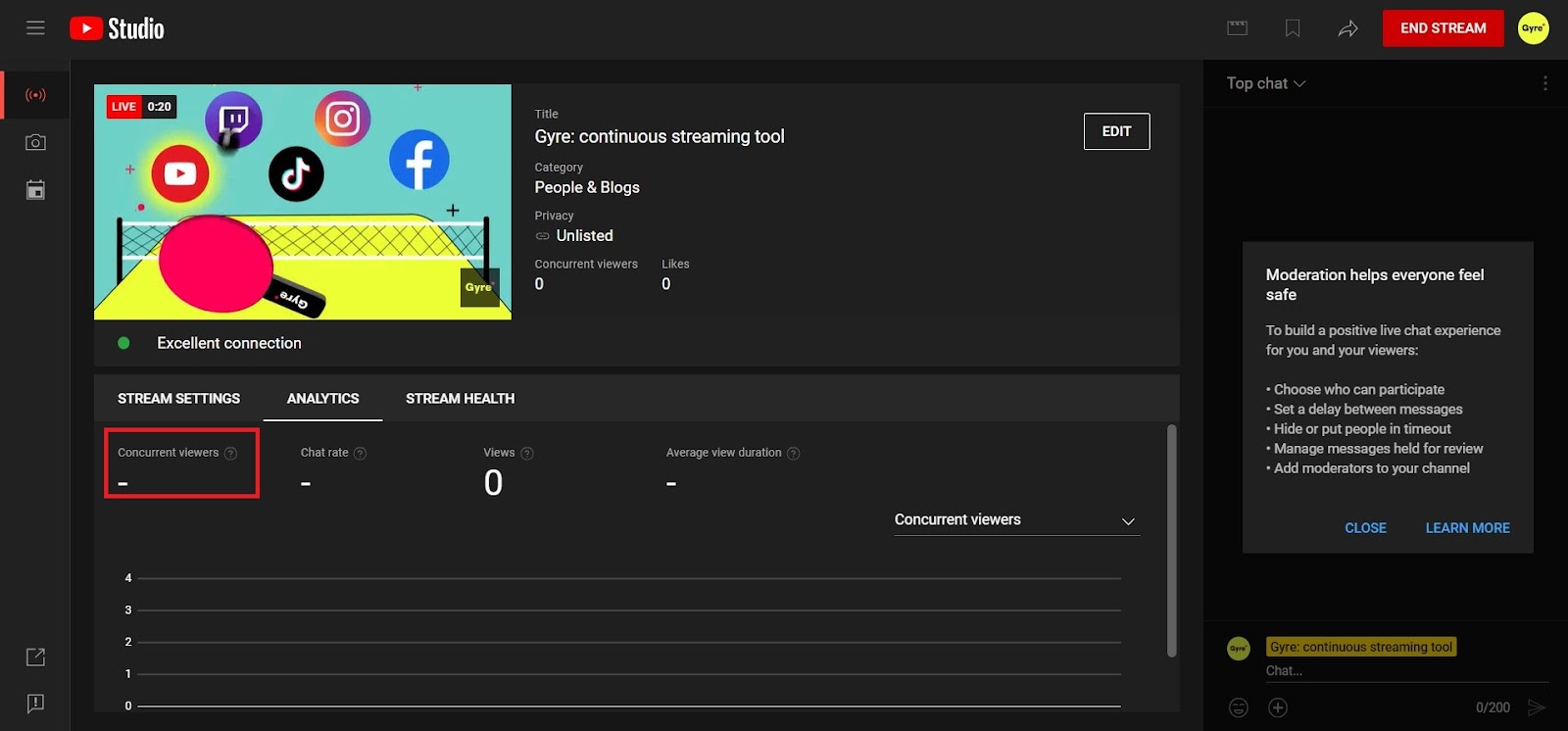
In simple terms, YouTube live stream views are basically the count of viewers who watch your live broadcasts, and it can include those viewers who join during the live stream, those who replay it after publishing, watch time of the stream, and stream engagement. Moreover, live streams also follow concurrent viewers instead of normal uploads to display how many users are watching simultaneously.
How YouTube Counts Live Stream Views
After ending and uploading your live stream, it still gets views, which are later automatically converted by the platform into standard or regular video, known as VOD. However, the views on that video count will turn into your total view count following the YouTube view policies.
It is also clarified by many creators that they actually gain more replay traffic afterward the broadcasts via YouTube search, recommendations, and suggested videos.
30-Second Rule Is Still in Play
YouTube has launched many changes in its algorithm, but the 30-second rule still stands. A view on your VOD will be considered by YouTube once a real user interacts with your video and views it for 30 seconds. The viewers who swipe or scroll away from the video within 10 seconds – that view won’t be counted. It is implemented on both live streams and later recorded videos.
Live & Replay Views
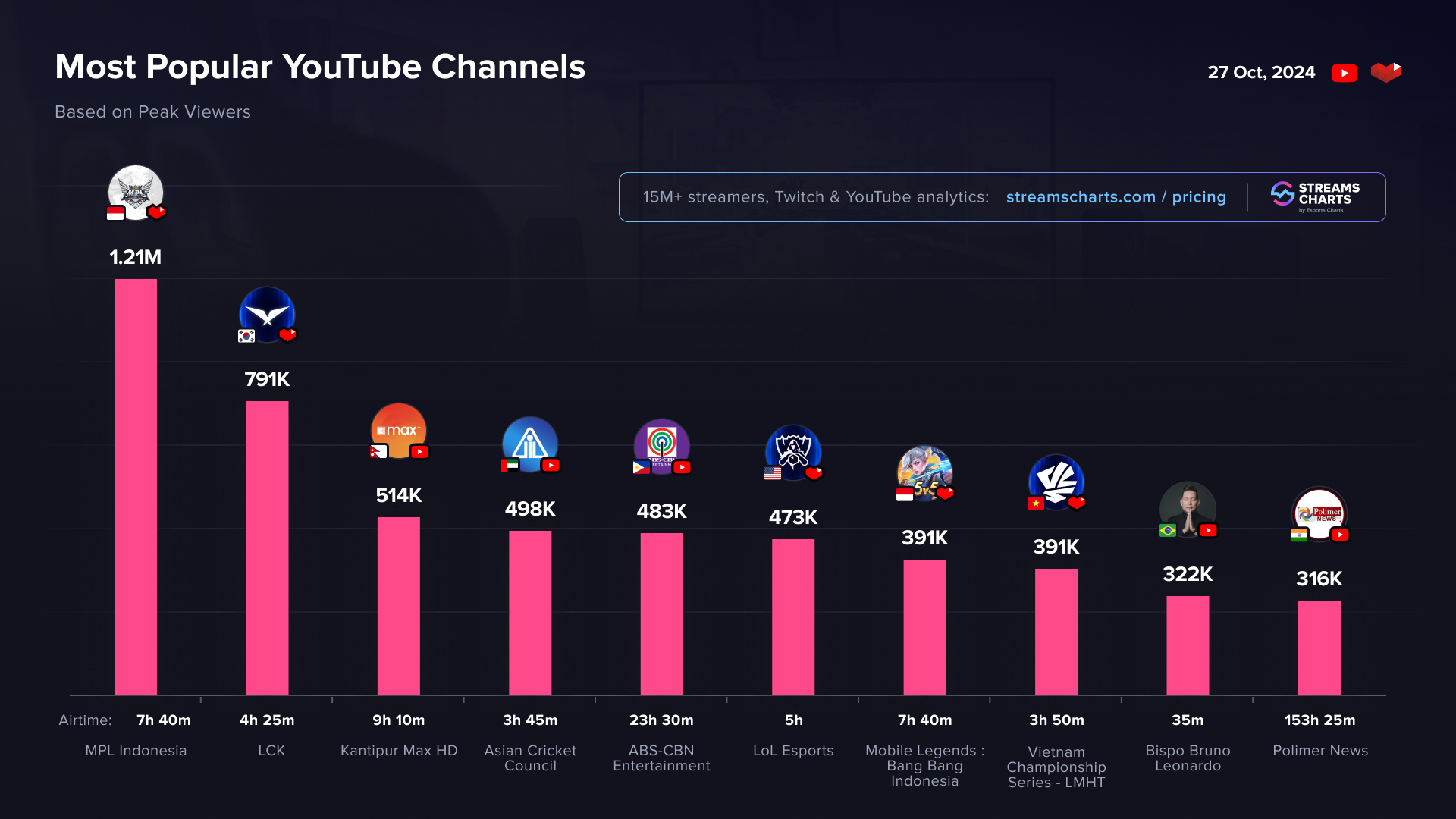
YouTube live viewership counts also act the same way as on-demand videos; for example, if your live video is watched by 500 people and, at the same time, 1,200 people watch the replay, your total views will be 1,700, while considering all fulfil the 30-sec rule.
Replays are limited per user
Additionally, YouTube restricts the number of times a video can be watched daily by each viewer to 4-5 views. It works whether the content is watched live or on replay.
Engagement Over Views
The current YouTube algorithm prefers the average watch time of the videos and their active engagement speed. Hence, livestreams that engage the audience for a minimum of 20+ minutes and convert them into VOD bring more organic viewers and a significant hike in engagement. And you can check it on the engagement tab in YouTube Studio under analytics, and the metrics are updated within a minute after the broadcasts end.
Conclusion
YouTube definitely includes livestream views in counts after uploading it; however, the verified views are counted in the last total. You can also grow faster on YouTube with optimised live replays with SEO-friendly context and engagement strategies organically.
Related Posts

Netflix Opens the Door for India’s Next Generation of Storytellers

TikTok Takes Comments to the Next Level with Voice, Polls and Carousels
Is YouTube Making Shorts Revenue Harder?
YouTube: YouTube’s September Monetization Changes