





























LinkedIn’s Gender Bias Debate: What’s Actually Going On

Recently LinkedIn has faced criticism over claims that its algorithm may favor male users when causal post reach. Several users mainly women noticed that when they changed their profiles to appear male using male names and male-looking photos and male pronouns their reposted content gained much higher engagement. In some cases impressions reportedly increased by as much as 700%
This sparked widespread discussions and user led experiments with many appealing the platform may prioritize male like profiles. However some argue that the difference in reach might not be about gender itself. Instead it could be tied to certain presentation styles like self-confident tones or masculine-coded language which historically tend to get more engagement regardless of the user’s actual gender.
What LinkedIn Says
LinkedIn has publicly addressed these concerns and company stated that gender pronouns or other demographic information are not used as signals in its algorithm to control post visibility. Instead the platform relies on a combination of hundreds of factors including a user’s industry, activity level, network size, content type, and timing of posts also According to LinkedIn comparing the reach of matching posts from male and female profiles is not a reliable test of bias as feed competition and overall content volume also play significant roles
Why Skepticism Continues
So Despite LinkedIn assurances many users remain skeptical. Experts reason that even without explicit use of gender in the algorithm indirect or proxy biases may still exist. For example the platform might favor communication styles and topics or structures that historically align with men language patterns.

Social scientists stress that ignoring gender as a signal doesn’t automatically guarantee fairness. Total factors such as network structures audience behavior and engagement behaviors can still lead to unequal results.
What This Means for Creators
For content creators now the key ready-made is that equal reach is never guaranteed even for similar posts. Factors like posting time and network connections and content style and engagement patterns all meaningfully impact visibility. For women and other understated groups this discussion highlights the importance of developing strategic approaches to exploit your visibility rather than trusting only on the algorithm. Awareness of systemic biases and intentional content planning can help direct these challenges.
 In conclusion
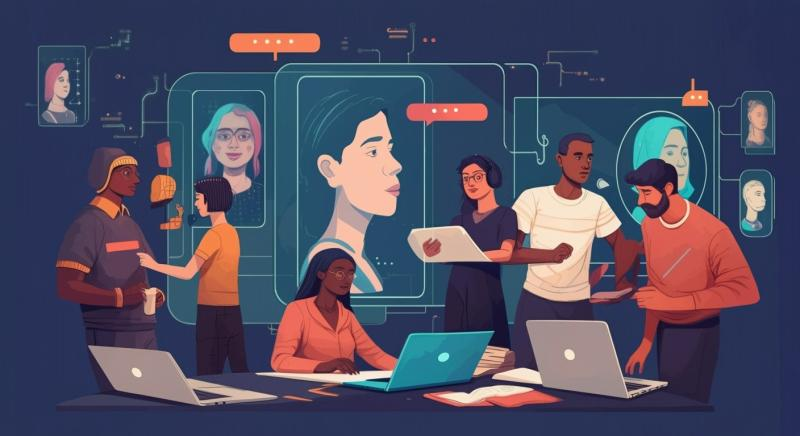
while LinkedIn rejects any clear gender bias structural and social factors may still influence results. Understanding these shades is essential for anyone looking to grow their company and engagement profile on the platform.
Related Posts
Instagram Has a New Look — But Does It Really Matter to Creators?