





























What Is a Content Funnel and Why It Matters for Brands

Most brands create content regularly but yet they see no big results. Posts go live. Emails are sent. And still, nothing really moves. No steady leads. No clear conversions. That’s not because content doesn’t work. It’s because the content has no direction.
A content funnel gives structure to your content. It helps your brand speak to people based on what they are actually thinking at different stages of their buying journey.
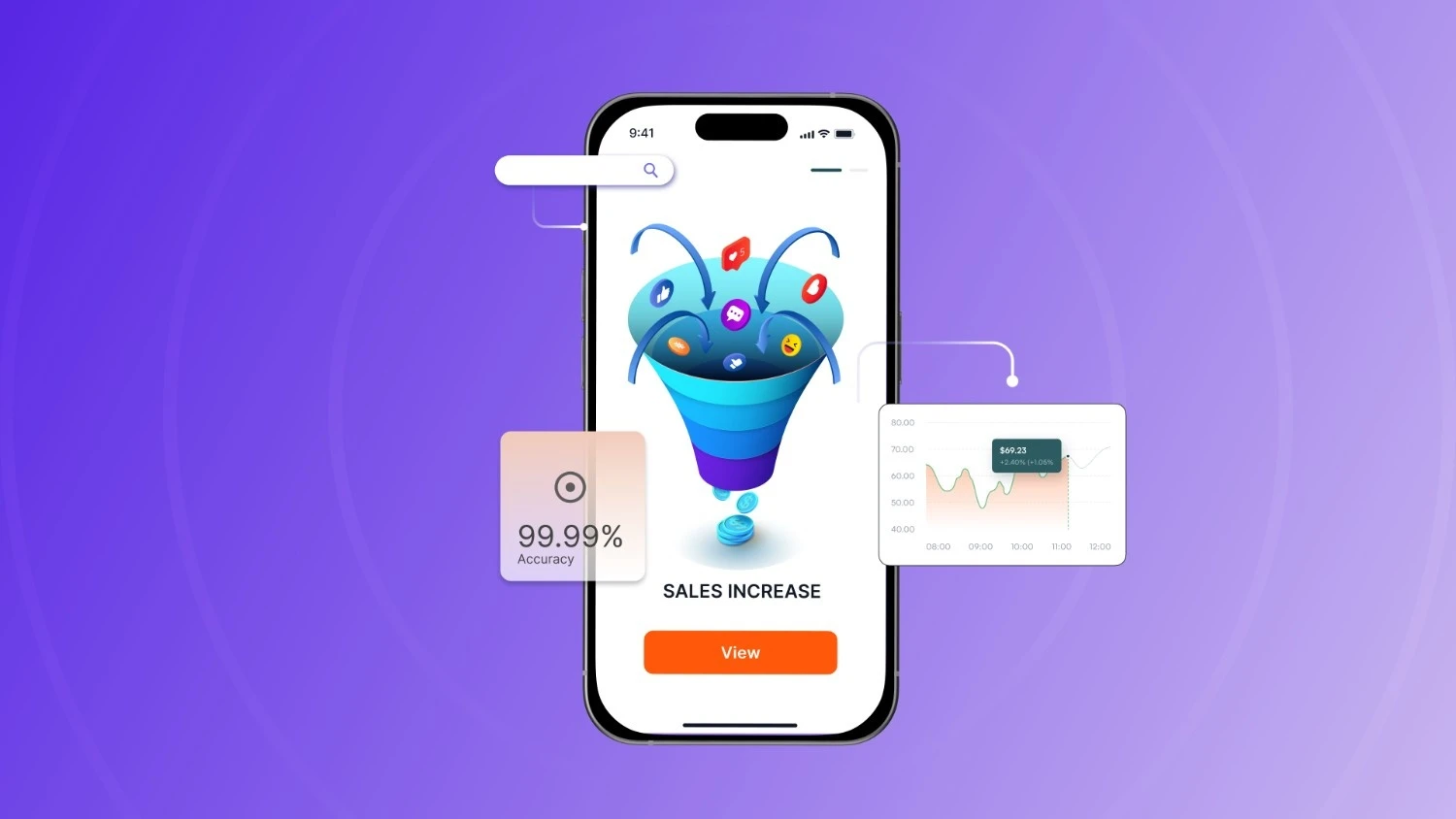
So, What Is a Content Funnel?
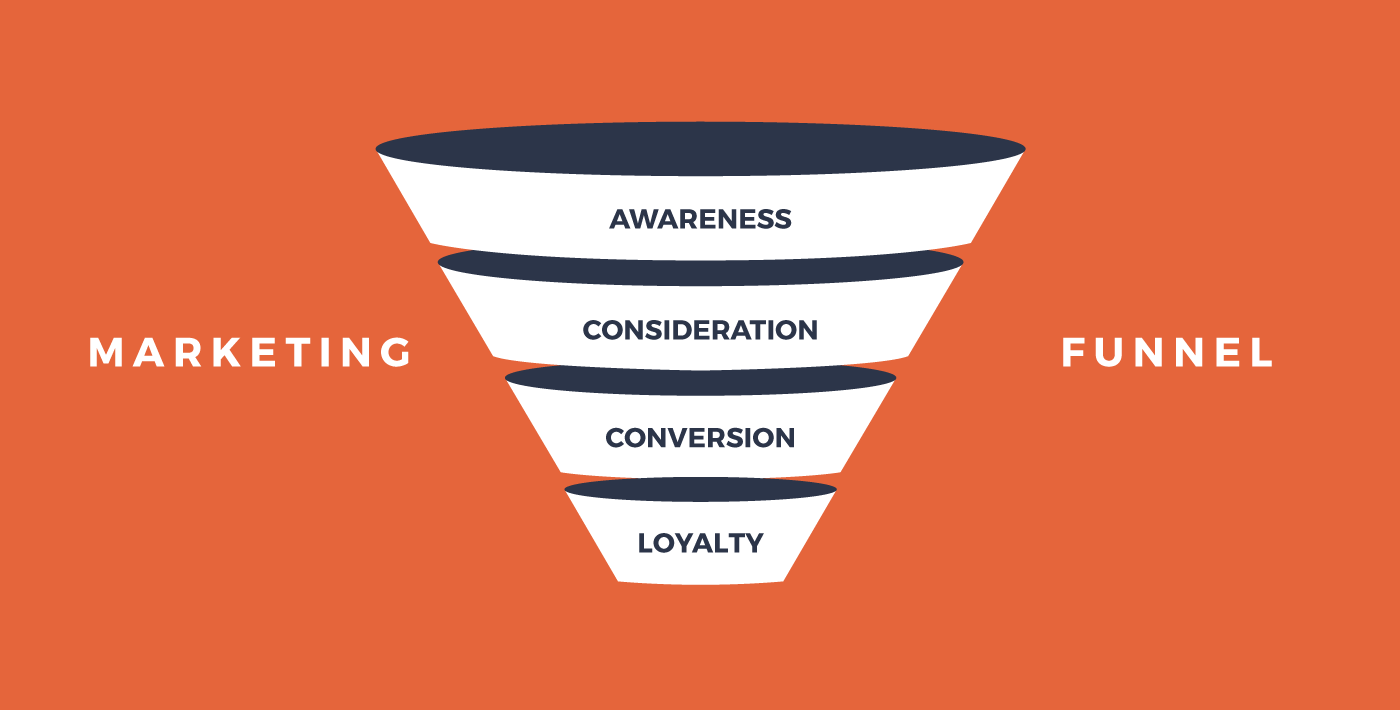
A content funnel is simply the path a person follows before they decide to buy something. First, they realize a problem exists. Then they look for ways to solve it. After that, they choose one option. Good content supports each of these steps instead of rushing people to buy.
This approach works because it matches real human behavior. People don’t wake up wanting to purchase. They wake up wanting clarity.
Awareness Stage: When People Are Just Learning
At the awareness stage, people are confused or curious. They search things like “what is a content marketing funnel” or “why is my marketing not working.”
This is not the place to sell. It’s the place to explain. Blogs, social posts, infographics, and basic guides work best here. If your content helps someone acknowledge a problem better than before, you’ve already gained trust.
SEO-wise, this stage pay attention on informational keywords and question-based searches.
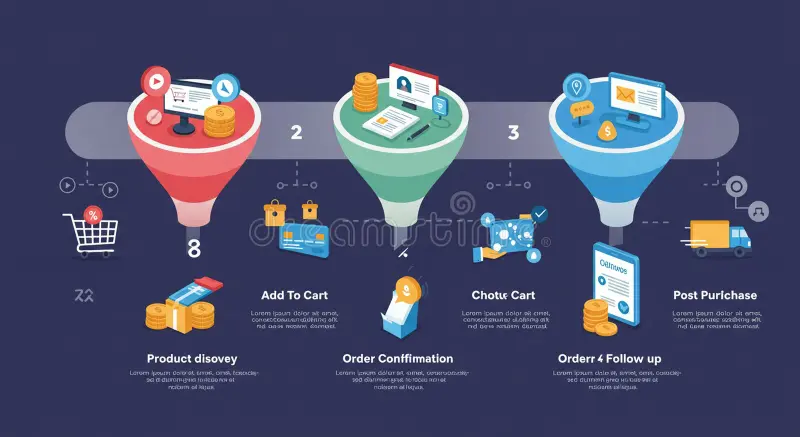
Consideration Stage: When Options Are Compared
Once the problem is solved, people start contrasting solutions. They want examples. They want evidence. They want to know how something works in in life situations.
Content like case studies, slow down guides, newsletters, and downloadable resources fits here. This is where your brand shows experience, not hype.
Search intent here is stronger. People use “how,” “best way,” and comparison-related keywords.
Buying Stage: The Deciding Point
At this point, people are ready to buy but they wary. They need reassurance. Good explanations are valued more than convincing.
Comparison pages, reviews, demos, testimonials, even free trial they does are all meant to take up of that hesitation. That content has to instead enable and not enforce the decision.
SEO keywords here are transactional and decisional.
Advocacy Stage: After the Sale
Most brands stop once someone buys. That’s a mistake.
Retention builds stronger businesses than constant acquisition. Helpful onboarding content, referral programs, follow-up emails, and community-driven content turn customers into promoters.
This stage builds long-term growth.
Conclusion
A content funnel takes unfocused content and turns it into deliberate communication. It enables your brand to draw the right kind of audience, lead them with clarity and earn lasting trust beyond a one-time sale. If your content is busy but not successful, effort isn’t the issue. It’s structure.
Related Posts

Netflix Opens the Door for India’s Next Generation of Storytellers

TikTok Takes Comments to the Next Level with Voice, Polls and Carousels
Why Instagram Removed IGTV and How Reels Replaced It
How Meta Will Pull Off Massive Changes to Its Social Media Apps