



























YouTube Tests New In-App Private Messaging Feature Rollout

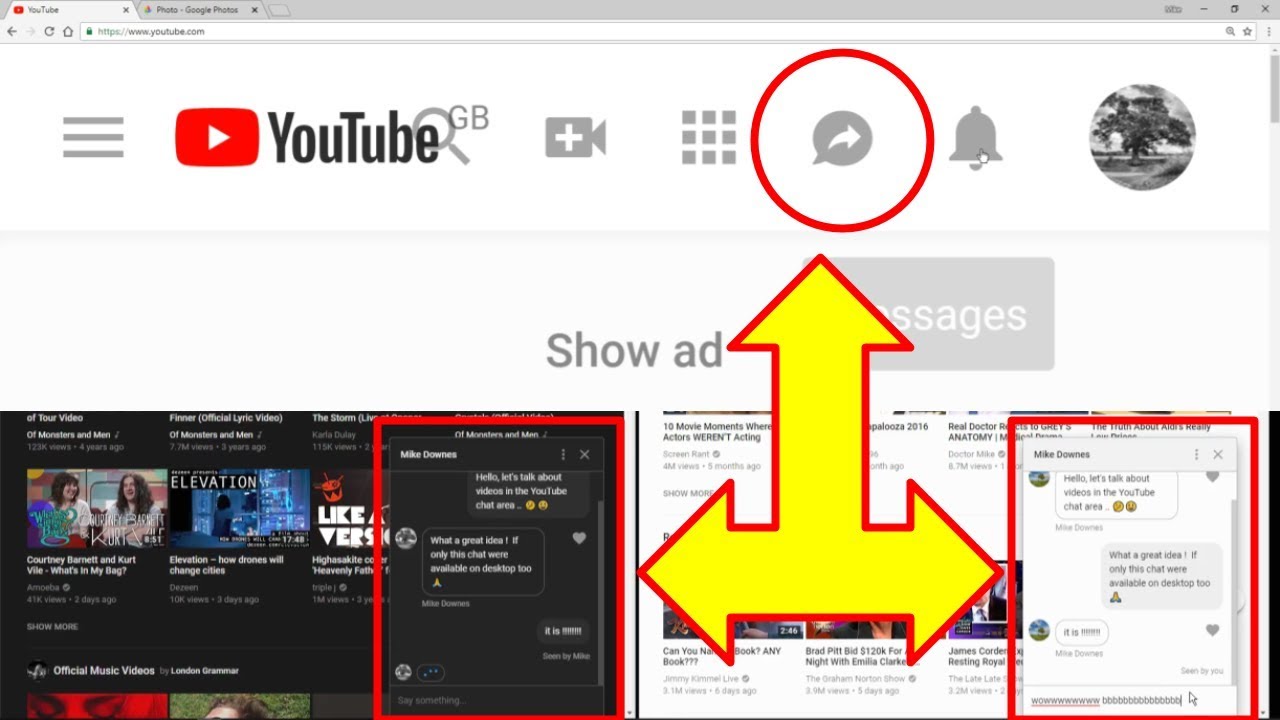
YouTube is testing something many users didn’t expect to see again, a built-in private messaging system inside the app. The feature disappeared in 2019 without a real explanation, and since then, sharing a YouTube link meant jumping to WhatsApp, Instagram DMs, iMessage or anywhere else except YouTube itself.
Now the platform wants to pull those conversations back into its own space, but with new rules and a more cautious approach.
How the New Private Chat Experience Works
A limited group of users in Ireland and Poland, all over 18, are getting access first. The flow is simple: tap the Share button on any video, long-form, Shorts, even livestreams and instead of leaving the app, a full-screen chat window opens. You can start a one-on-one chat or create a small group. Friends can reply with a message, an emoji or even send their own video back.
The entire idea is clear: YouTube wants people to watch, react and discuss without switching to another app.
Why YouTube Is Testing It Only With Adults
When YouTube removed the old messaging feature, the official reason was vague. But anyone who follows the platform knows safety concerns played a real part. Messaging features can become complicated very quickly, especially when minors are involved.
This time, YouTube is taking no chances. By restricting the test to adults, the company is trying to avoid repeating past issues and is signaling that any broader rollout will likely follow the same age-based limitations.
The Safety Controls Built Into the Test
YouTube isn’t launching an open chat box and walking away. Both users must accept an invite before messaging. You can unsend texts, block someone instantly or report a conversation. And YouTube has made it clear that these chats fall under the same Community Guidelines that apply to videos and comments meaning they can step in if anything crosses the line.
It’s not trying to replace WhatsApp. It’s trying to create a controlled, minimal space for sharing and reacting.
What This Test Means Going Forward
YouTube’s move feels like an attempt to reclaim the social part of video sharing. Instead of handing engagement to other apps, YouTube wants those reactions to happen on its own platform but safely and at a smaller scale first. If users genuinely adopt it this time, the feature might finally find a long-term place in the app.
Related Posts

Netflix Opens the Door for India’s Next Generation of Storytellers

TikTok Takes Comments to the Next Level with Voice, Polls and Carousels
Why Instagram Removed IGTV and How Reels Replaced It
How Meta Will Pull Off Massive Changes to Its Social Media Apps