



























YouTube Ask AI: How Google Gemini Is Changing Video Viewing

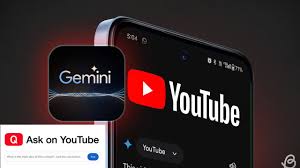
The moment you tap YouTube’s new Ask AI button, the entire idea of “watching” a video feels outdated. This is a small sparkle button sitting under a video, tucked beside the Share and Download icons, but the shift it triggers is huge. Tap the little sparkle icon and suddenly the video isn’t just something you watch, it’s something you can talk to. That simple twist makes even the longest tutorials feel lighter and a lot less intimidating.
What This Feature Exactly Is
The feature lives right below the player on mobile and appears as a side panel on desktop and yes, it’s powered straight by Google’s Gemini AI. YouTube has been rolling it out slowly across selected regions and accounts, starting with Premium users. Now more people are seeing it pop up under eligible English videos, especially ones with clear transcripts and visuals.
How Ask AI Actually Works
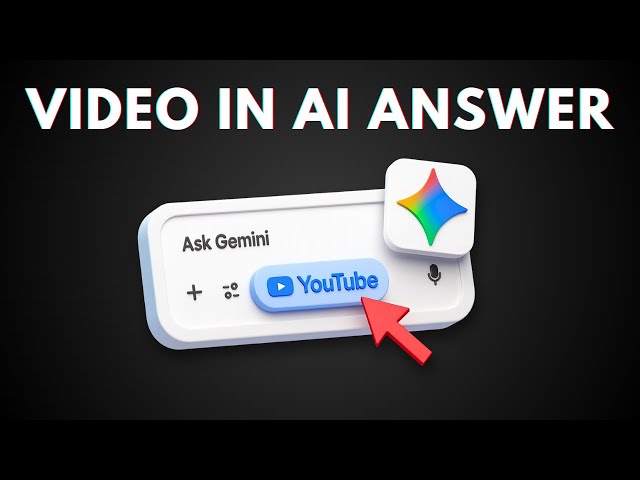
Ask AI doesn’t rely on guessing, it pulls from the video’s transcript, any readable on screen text, visual frames, chapters and broader context. You can ask for explanations, instant summaries, definitions or even quick follow ups like “Why does this step matter?”. It also generates short quizzes and highlights key topics without forcing you to jump around or rewatch sections.
Why Viewers Love It Instantly
For viewers, it kills the old habit of scrubbing through two hours just to find one detail. Want the exact ingredient swap at 7:21? Ask. Want a breakdown of a physics concept mentioned mid lecture? Ask. It turns YouTube into a searchable knowledge tool more like a library instead of a place where information hides inside hour long videos.
What This Means for Creators
Creators, on the other hand, now have Ask Studio, a separate Gemini powered tool inside YouTube Studio. It helps analyze performance, answer audience questions, spot trends or generate content ideas. But it also exposes weak captions or unclear structuring fast. Messy timelines or vague explanations become obvious when AI struggles to interpret them, so creators suddenly have more incentive to organize their videos properly.
Conclusion
This rollout isn’t a gimmick, it’s a structural change in how information flows through YouTube. Videos with clean captions, proper chapters and readable on screen text will surface far more accurately inside AI responses. Anyone ignoring this shift risks quietly disappearing from the viewer’s new AI driven search habits. The future isn’t just watching videos anymore, it’s asking them questions.
Related Posts

Netflix Opens the Door for India’s Next Generation of Storytellers

TikTok Takes Comments to the Next Level with Voice, Polls and Carousels
Is YouTube Making Shorts Revenue Harder?
YouTube: YouTube’s September Monetization Changes