






















YouTube Copyright Strikes Are Now a Major Creator Risk

YouTube says it’s empowering creators. New tools. More control over likeness. Better monetization options. All good news—on paper. But behind the scenes, something else is happening, and it’s far more dangerous. Copyright enforcement on YouTube has never been this aggressive. For creators who rely on third-party clips, even sparingly, one mistake can now end everything.
This isn’t fear. It’s the current reality.
Content ID Was Never the Enemy
Content ID didn’t exist to punish creators. It existed to keep YouTube alive.
Back in the mid-2000s, studios were lining up to sue the platform out of existence. Google’s solution was simple but clever: detect copyrighted content and let rightsholders decide what to do with it. Monetize it. Block it. Take it down. That system kept studios calm and allowed creators to build entire careers using clips, commentary, and remix culture.
For years, it worked surprisingly well.
Shorts Changed Everything
Suddenly, YouTube was flooded with short clips—fast edits, reused footage, viral moments reposted thousands of times a day. The problem? Rightsholders weren’t making money from most of it. No revenue means no incentive to tolerate reuse. So the strategy shifted.
Monetization gave way to enforcement.
That’s why manual strikes, takedowns, and zero-tolerance decisions are rising fast.
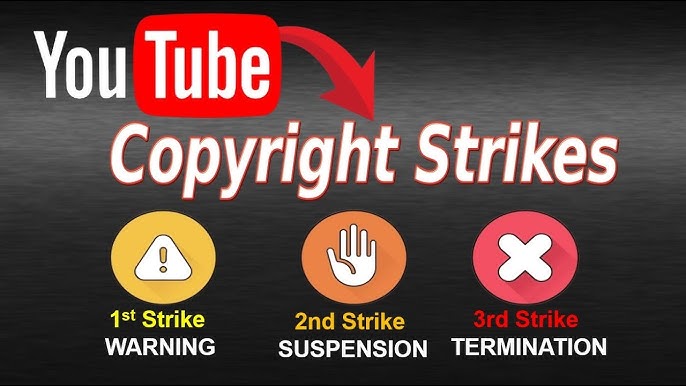
Why a Strike Isn’t “Fixable” Anymore
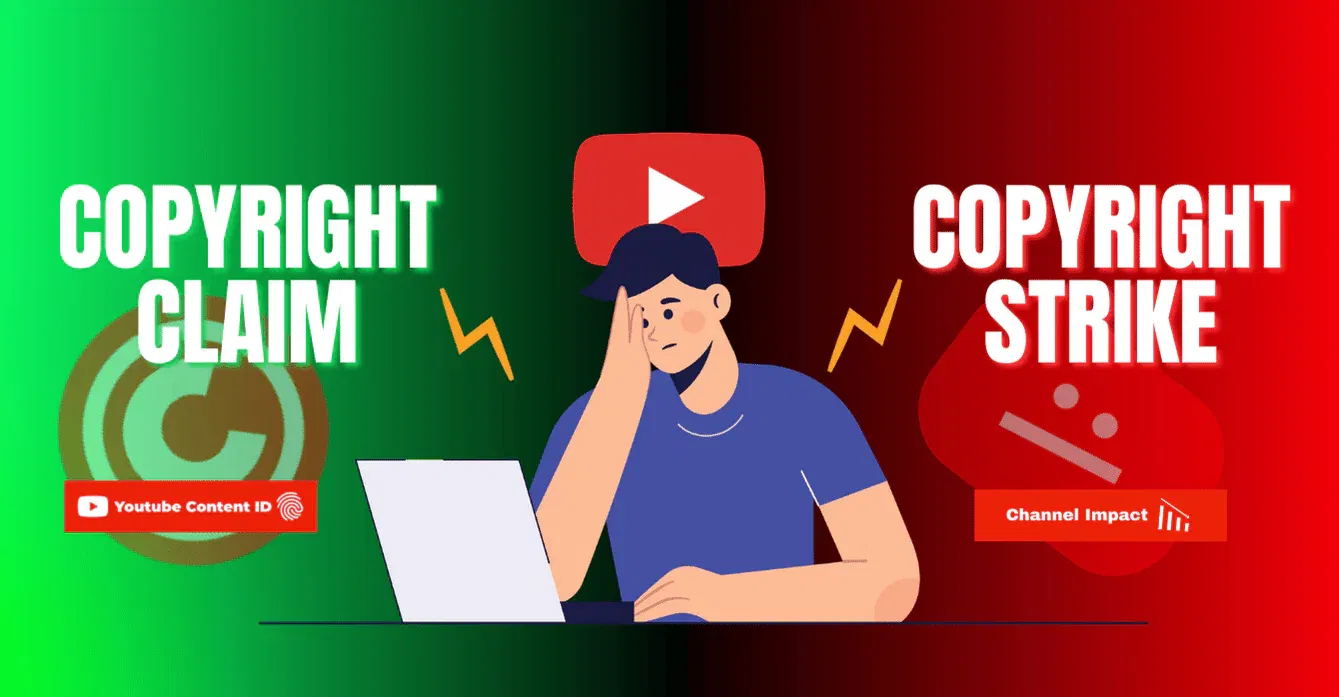
A copyright strike today isn’t a lesson. It’s a shutdown risk.
One strike can trigger channel termination, wipe connected channels, and kill your AdSense account. Appeals take time. Systems move instantly. And once momentum is gone, it rarely comes back.
This isn’t creator drama. It’s operational risk.
What Creators Actually Need to Understand
Knowing copyright law alone won’t save you. Neither will blindly trusting fair use. Creators now need to understand how YouTube’s systems behave, what editing patterns trigger detection, and how disputes actually move internally. Many channels fail not because they’re wrong—but because they don’t know how the machine works.
Conclusion
YouTube isn’t becoming hostile to creators. It’s becoming unforgiving. The creators who survive won’t be the ones who panic or avoid risk completely. They’ll be the ones who understand their exposure, their formats, and their backup plans. Copyright is no longer a legal checkbox—it’s part of running a channel like a business. Ignore it, and the platform won’t warn you twice.
Related Posts
YouTube AI Likeness Claims: Everything Explained
YouTube View Count Update 2026: Explained
YouTube Studio Can Now Search Comments by Topic or Meaning