





























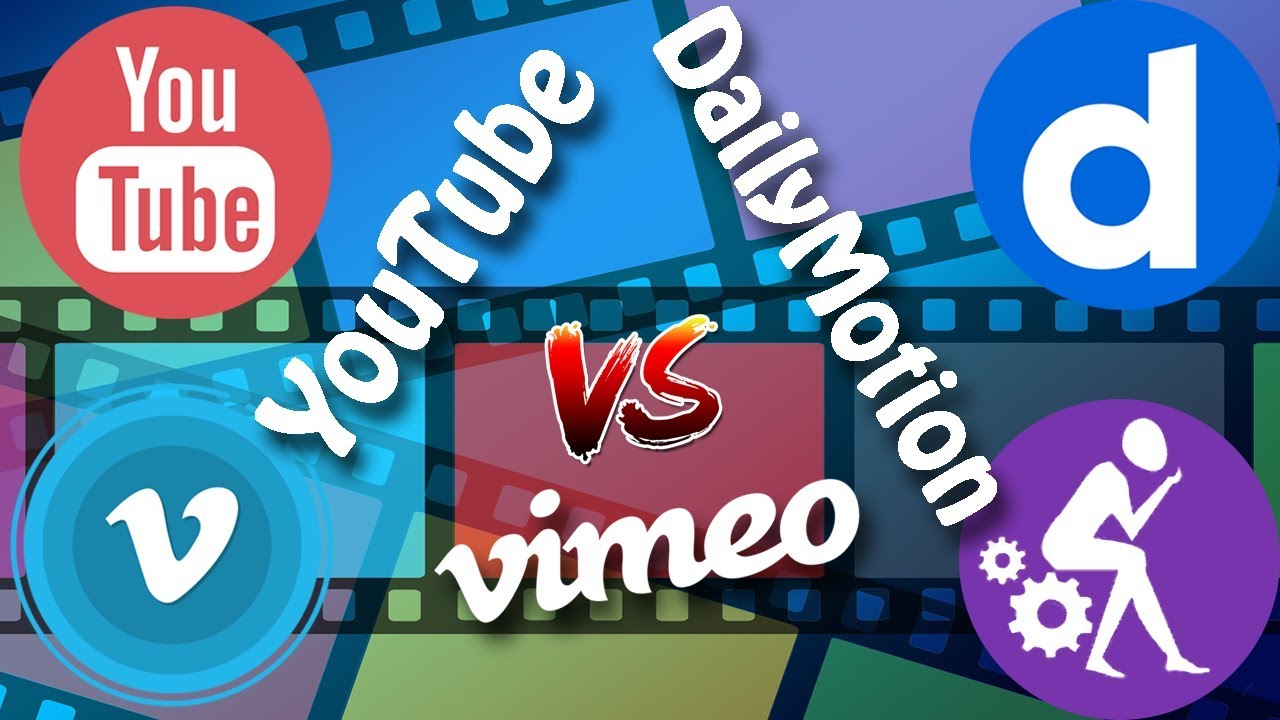
YouTube’s Competitors: Why Vimeo & Dailymotion Never Made It

Think about it! When was the last time you went to Vimeo or Dailymotion on purpose? For most people, probably ages ago. These platforms were once seen as possible rivals to YouTube, but they never broke into the mainstream. Vimeo leaned toward creative professionals and Dailymotion mostly stuck to European audiences. YouTube, which launched in 2005, aimed for something far simpler: let anyone upload and watch videos without hassle. That difference shaped everything that followed.
YouTube’s Perfect Launch Timing
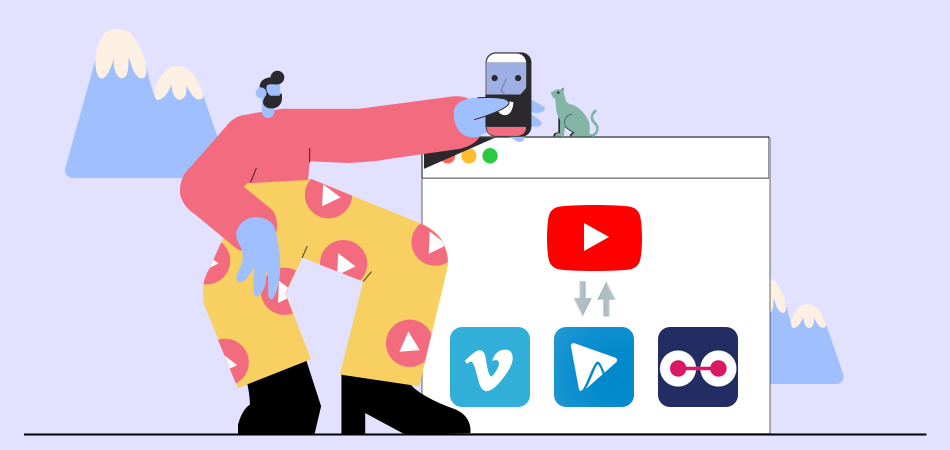
Vimeo arrived in late 2004 and Dailymotion followed a few months later in 2005. On paper, that sounds early but both platforms boxed themselves in. Vimeo didn’t care about the average viewer, it was built for people who wanted to showcase polished creative work. Dailymotion grew inside France and only slowly spread beyond it. YouTube, however, hit the exact moment when the world was finally ready for open video sharing. With no niche audience and no regional limits, it became the place where everyone uploaded everything. That timing advantage widened fast and neither competitor caught up.
YouTube’s Secret Weapon
One of YouTube’s biggest strengths was how unbelievably simple it was. Click a video, it plays. No drama, no complicated menus, no friction. Vimeo, although beautiful, felt more like an online portfolio than a social platform. Dailymotion suffered from clutter, sluggish pages and too many ads. YouTube wasn’t perfect, but it was clean, fast and easy. People naturally gravitated toward the place that didn’t make them think.
Creators Chase Real Money
YouTube figured out early that creators would shape the future. When it launched the Partner Program in 2007, people suddenly realized they could earn real money from their videos. Vimeo went the opposite direction, it charged creators for bigger uploads. Dailymotion paid creators too, but not enough to matter. Since audiences follow creators, YouTube’s ecosystem grew while the others felt stuck.
Google Boosted YouTube Growth
Once Google bought YouTube in 2006, everything changed again. YouTube gained better search, smarter recommendations and access to massive ad networks. Vimeo never built a strong recommendation engine and Dailymotion’s suggestions felt random. YouTube’s algorithm kept viewers watching, discovering and returning.

Why YouTube Won
YouTube won because it had timing, simplicity, monetization and Google’s tech behind it. Vimeo and Dailymotion weren’t bad platforms, they were just limited by their niches and regional focus. YouTube aimed at everyone and everyone showed up. Some tried to compete, but YouTube didn’t just win, it ate the competition alive.
Related Posts

Netflix Opens the Door for India’s Next Generation of Storytellers

TikTok Takes Comments to the Next Level with Voice, Polls and Carousels
Is YouTube Making Shorts Revenue Harder?
YouTube: YouTube’s September Monetization Changes