























Why India Don’t Have It’s Own Social Media Platform Like Facebook and Instagram

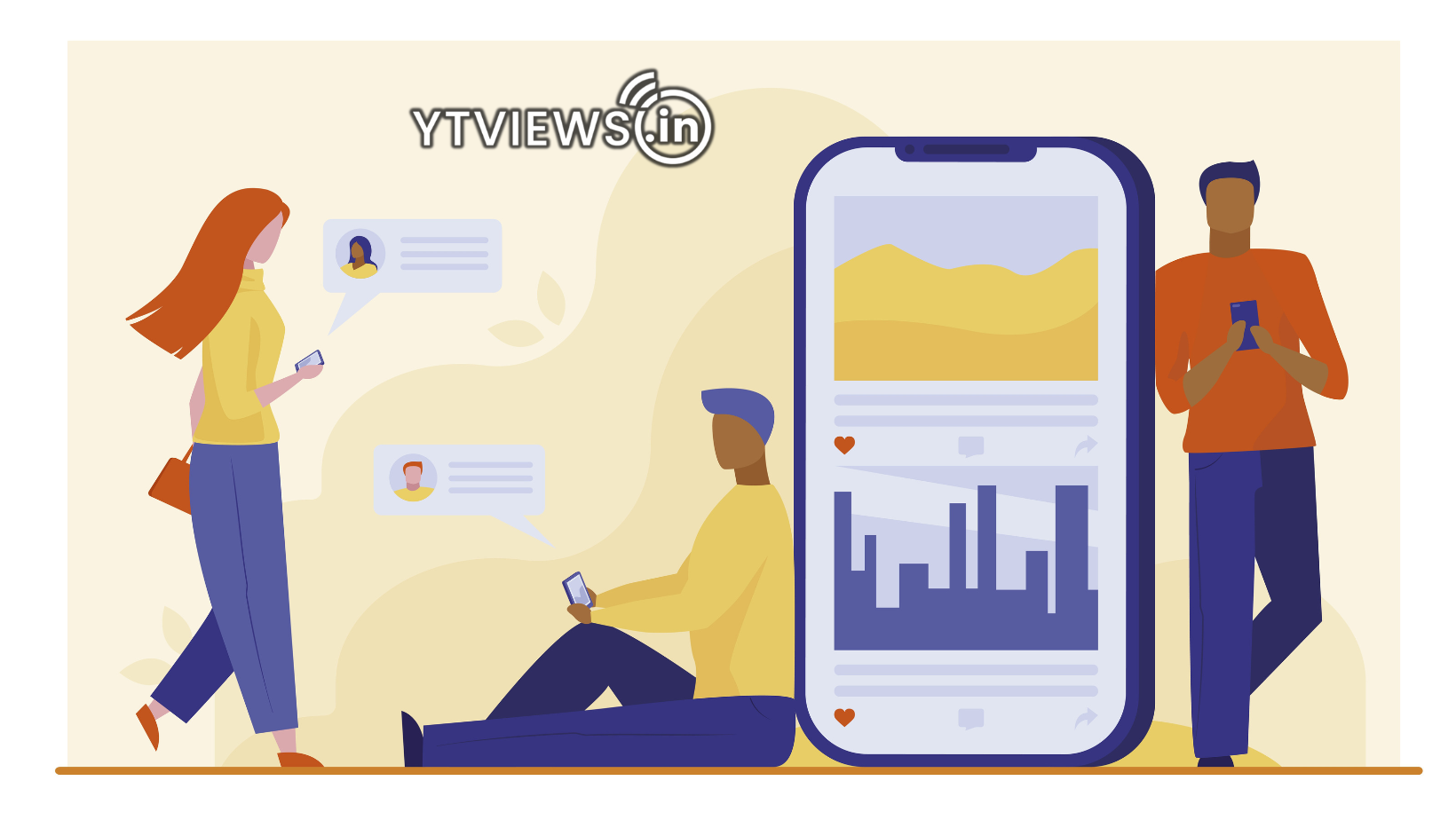
We all know that every day there are millions of Indians going through social media scrolling Instagram reels, sharing memes, and using and posting on Facebook and we also voice our opinions on X. India is one of the world’s largest social media markets as there are over 900 million internet users in India. Have you ever thought about why we don’t have our own social media platform?
By introducing platforms like Koo, Moj, ShareChat, and Chingari, India has also tried to launch its own platform and has gained attention, too. But when we talk about the global impact and long-lasting dominance none of the platforms were able to create that.
Why did this happen and what were the reasons behind that?
The Early Mover Advantage
This is something that worked to India’s disadvantage. We know timing is everything, whether it was Facebook, Twitter, or Instagram. Each one of them has that early mover advantage.
As Instagram launched in 2010, Facebook in 2004 and Twitter in 2006, they had already captured the users and created the addiction for their platforms; these companies had already become cultural phenomena when the Indian entrepreneurs were just thinking and considering building large-scale platforms. India introduced platforms when people were already scrolling through Instagram, Facebook, and Twitter, and it became more difficult for India to capture this market.
Funding and Investors
Of course, these kinds of apps need billions in funding, advanced AI-driven infrastructure and also proper marketing to retain the users and companies like Meta (FB and IG) and Google (YT) had strong investor-backed support.
In India, capitalists often preferred safe options to invest in fintech, e-commerce, or edtech, where they were clear about the profit models. As social media is somewhat of a risky bet to play, Indian startups struggled to get the investments. Social media platforms are not something that are built overnight but require proper funding and proper investors. That’s the reason many homegrown apps could not compete with global platforms with very good, well-supported support. Lack of infrastructure is also a very big reason for startup failure.
User experience and trust
Trust is something that takes time and for building that, it takes years and consistency. Also, Indians are picky too. We like smooth, fun, and trustworthy apps, and we want security too.
These are all those things in which the Instagram and Facebook platforms are already mastered—they have designed the platforms in such a way that they include intuitive design, security, and addictive engagement.
While there are Indian platforms that lack in these things, and people were not able to rely on those, users always return to that platform that gives them seamless performance and has global credibility too.
The network effect is powerful
Just imagine, you are asking your friends and family to delete Instagram and to start using a different app. Will it be easy and a cakewalk? NO!
That is the thing that is used by these apps. What is in favor of them is the network effect; as you are in a particular app where your friends, family, and followers are already there, it’s your network, and to leave that network and go to a different platform won’t make sense.
This is a very big disadvantage for any other new platform in India, as people already have their networks on other social media platforms, so the whole network becomes the target, not only different users.
Indian platforms that were introduced but short-lived
Koo—somewhat branded itself as the Indian version of Twitter.
Moj and Chingari rose after TikTok was banned
ShareChat—It became popular in different regional languages
These were introduced but sustaining the user engagement was difficult for these apps, as their competitors were global giants Meta and Google, and they used to do updates constantly with reels, stories, AI filters, posts, and many more features. Indian startups were not able to match the innovations and the global credibility that creators crave.
Cultural and Global Aspirations
Indians like global recognition; posting on Instagram or YouTube means your content will go to a worldwide audience. Then, of course, local apps often felt limited to our Indian audiences; creators want a bigger stage and this also works as an advantage for the global apps.
The future of India
The future still holds hope for India, there is room for innovation and changes as AI-driven technologies and Web3 are rising. Also, Digital India-kind of initiatives by the Indian government could also help with the innovation.
If we change the target from just competing with Instagram and Facebook to a platform unique to India’s cultural diversity, regional language, and digital habits, and then also scale it globally, too. However, with so much active social media, the user population will definitely find the Indian app powerful.
Final thought
Currently, what is missing in us is vision, timing, global scalability, and investors’ confidence. Until we fix these things, we are going to continue scrolling on international platforms. But if we fix these things then one day, the next biggest platform will not be from Silicon Valley but from here in India.
Follow ytviews.in for more, and you check out more of our blogs.
Related Posts

Netflix Opens the Door for India’s Next Generation of Storytellers

Instagram: Can Instagram’s First Draft Make Reel Editing Faster?

TikTok Takes Comments to the Next Level with Voice, Polls and Carousels
Is YouTube Making Shorts Revenue Harder?
YouTube: YouTube’s September Monetization Changes