






















Why Viewers’ Attention Spans Are Shrinking on Social Media

Ever opened Instagram for “just two minutes” and suddenly 40 minutes have passed? That’s not you, that’s how social media rewired your brain. Our attention spans are shrinking and it’s more than a minor inconvenience.
1. Content Overload
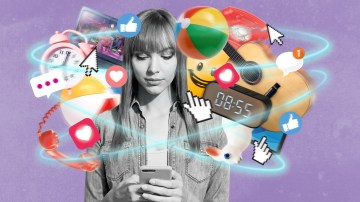
Feeds are overflowing with memes, reels, shorts, every kind of “quick fix” content. There’s no breathing room. Our brains are overloaded, jumping from one video to the next before even finishing the last. It’s mental junk food, easy, tasty and impossible to digest properly.
2. Watch Time Equals Revenue
It’s not an accident, social media platforms thrive on watch time. More watch time = more ads = more money. Algorithms push content that grabs your eyes in seconds. You don’t stick around because it’s interesting, you stick around because the platform trained you to.
3. The Multitasking Trap
Even if you’re “watching” a video, chances are WhatsApp is open, music is playing, emails are being drafted or your mind is somewhere else entirely. Our brains are juggling too many things, so nothing gets full attention. Watching, in 2025, means “half watching.”
4. FOMO And Fragmented Attention
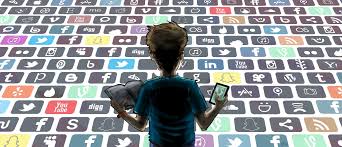
We want to know everything but not completely. We check trends, headlines and short clips without really learning. Minds drift, half information sticks and the rest is forgotten. Social media feeds our fear of missing out while starving our patience for depth.
5. Content as Collection, Not Experience
We don’t just consume; we collect. Every tip, course or reel is saved like a digital trophy. We feel productive by hoarding content, but most of it just sits there. Learning is replaced by storage.
6. Instant Gratification Over Process
Nobody wants the process anymore, we want results now. Tutorials are compressed into 30-second bites. Step-by-step journeys feel too long. Quick fixes dominate and patience is a lost skill.
The Reality
Shrinking attention spans aren’t your fault. Social media, habits and brain chemistry teamed up to hijack our focus. Recognizing it is the first step to taking it back, slowing down, choosing what to watch and actually paying attention. Because once you take control, attention and real learning can come back.
Related Posts

Netflix Opens the Door for India’s Next Generation of Storytellers

TikTok Takes Comments to the Next Level with Voice, Polls and Carousels
Why Instagram Removed IGTV and How Reels Replaced It
How Meta Will Pull Off Massive Changes to Its Social Media Apps