





























Why 2025 Will End The Influencer Game

The rapid evolution of the creator economy is unprecedented. Brand partnerships, viral content, effortless monetization, all part of the influencer’s delightful experience, appears to be a thing of the past. Current analytics reveal a dramatic decline in relationships with brands, nearly a 50% drop, and a reallocation of investor cash to a new type of creator, entrepreneurs. The next three years will be a reckoning, and is set to differentiate the transient influencers from the enduring creators willing to assume the mantle of a founder.
The Rise and Fall of the Influencer Era
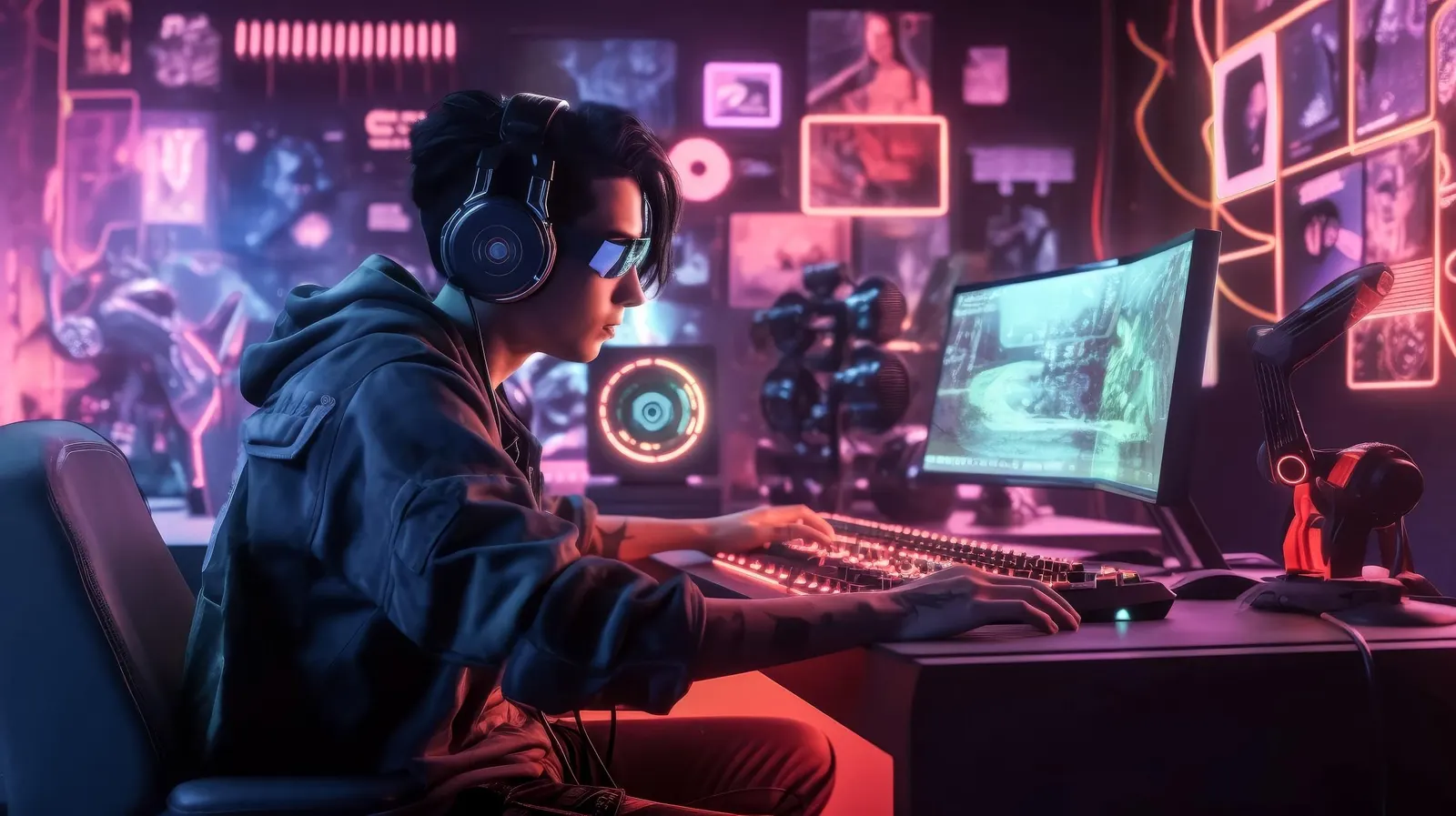
Being an influencer between 2016 and 2021 was a profitable scope . Earning a livelihood was not that difficult with collaborated posts and a increasing following. Things took a great turn by 2024. Instagram, YouTube, and TikTok were flooded with users. People began oversaturating the market, and attention became the new currency. In April 2024, the title of influencer became a liability. In a major shift, brands spent less on influencer spend. Instead of paying for top-tier creators, brands paid for access to ‘authentic’ micro-creators, and then moved to AI content. Traditional brand deals and sponsored posts disappeared, leaving creators to starve.
The New Creator Playbook: Relevance Over Reach
In the current creator economy, reach does not equate to revenue. What is most important is relevance, the ability to create a loyal niche audience based on trust and expertise. The most effective modern creators are not attempting to serve the entire population; they concentrate on a particular community and genuine relationships. The creators who Thrive and expand are:
- Building niche communities around their ideas.
- Selling self owned big-margin products online have more profit be it any courses, brands or services.
This transformation signifies the movement away from influencer marketing and toward creator entrepreneurship.
Why Creators Are Becoming Entrepreneurs
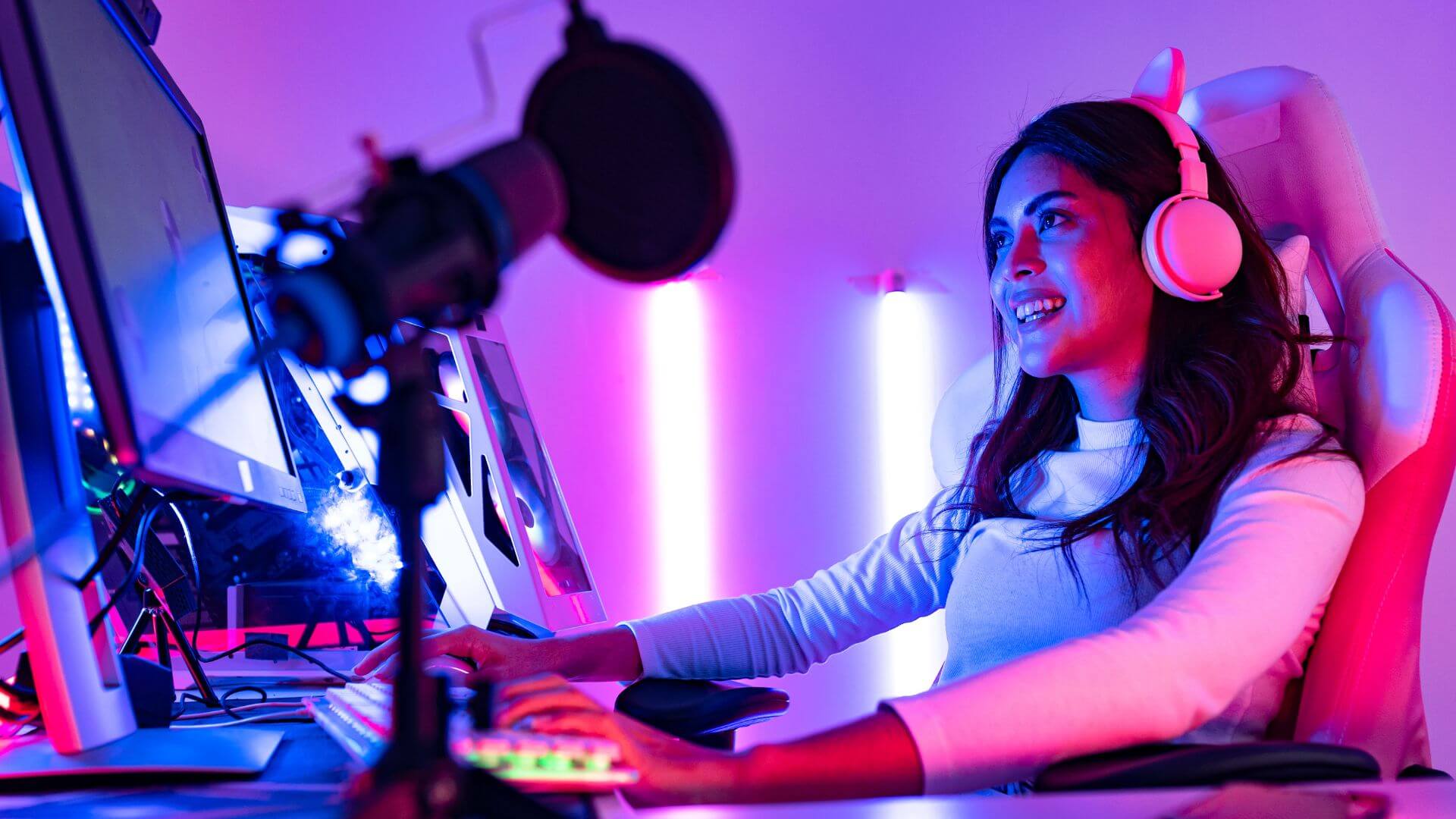
Your smartest creators understood a simple truth: If they can sell products for other brands, why not create their own? From Emma Chamberlain selling her coffee brand, to Indian creators starting their own skincare or clothing lines, the trend is visible. The creators that treat their audience as customers, and not just followers, are the ones really establishing businesses. These creators think like founders. They understand product design, branding, and marketing. They do not simply chase for likes, as they create systems for growth. This makes them financially stable for the long term, and independent from the social media fluctuations.
The Harsh Reality for Most Creators
Several influencer-led brands that were once on the rise have already dwindled. They did not manage to develop lasting value beyond the trends. Their audience moved on because the link was not profound; it was transactional. The same is likely to occur to creators who rely solely on sponsored content or algorithms.

Conclusion: The Future Belongs to Depth, Not Width
Many influencer-led brands that once rose rapidly have already faded. They failed to build value that is sustainable beyond fleeting trends. The audience moved on because the connection was shallow; the relationship even transactional. The same fate is unavoidable for creators that rely solely on sponsored content and the algorithms.
Related Posts
Instagram Has a New Look — But Does It Really Matter to Creators?