

























LinkedIn Reach Dropped? Here’s the Actual Reason

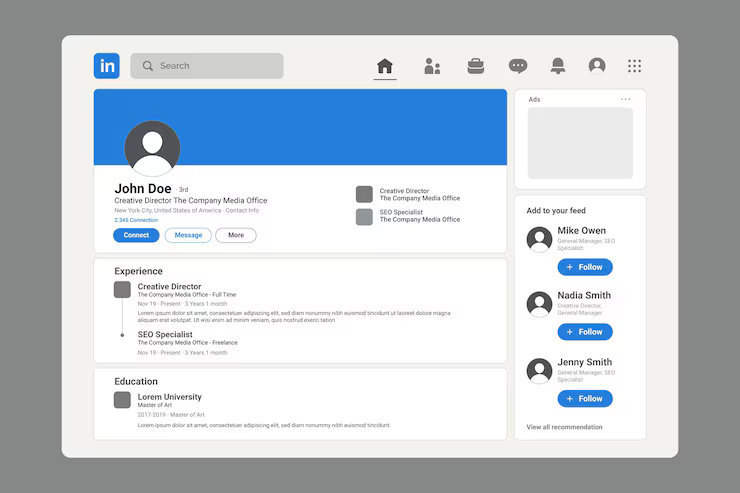
If your LinkedIn posts barely move past a handful of views, you’re not alone. Most people assume the algorithm hates them, but the truth is more uncomfortable: the platform mirrors your habits. When the content isn’t gripping enough, the posting pattern is random, or the effort looks half-hearted, LinkedIn quietly pushes your post to the side. Fixing this doesn’t require fancy jargon — just honest adjustments.
Your Opening Lines Don’t Make Anyone Stop
People scroll fast. If your first two lines feel dull, predictable, or confusing, nobody opens the full post. And if people don’t open it, LinkedIn assumes it’s not worth promoting.
Your Content Sounds Like Everyone Else
If you’re posting safe career tips, recycled quotes, or generic motivation, your post blends into the noise. LinkedIn rewards posts that feel lived, specific and personal not copy-paste advice.
You Don’t Invite Any Real Conversation
If your post ends without a thought-provoking question or a clear point of view, people read it and move on. No comments = no push from the algorithm.
You Post Randomly and Expect Momentum
Consistency matters more than people admit. Posting once every 10 days won’t create traction because LinkedIn stops recognising you as an active voice. Regular posting builds trust with both the audience and the system.
You Don’t Interact With Others Enough
If you disappear after publishing your post, LinkedIn buries it. The platform prioritises people who engage with others — comment, react, join discussions. It’s not just about posting; it’s about showing up.
Your Formatting Makes Reading Hard
Big paragraphs drain attention. When your post looks dense, readers skip instantly. Clean spacing and short lines make your content easier to absorb.
Conclusion
Low reach doesn’t mean your content is doomed. It just needs clearer hooks, more authenticity, and active participation on your part. When your posts carry your real experiences and you actually engage with others, LinkedIn responds. It’s not magic — just a shift in how you use the platform.
Related Posts

Netflix Opens the Door for India’s Next Generation of Storytellers

TikTok Takes Comments to the Next Level with Voice, Polls and Carousels
Why Instagram Removed IGTV and How Reels Replaced It
How Meta Will Pull Off Massive Changes to Its Social Media Apps