





















Lifestyle, Social Media and the Power of Stories and Status

There was a time when social media was just a quiet room full of voices. In the early 2000s, platforms like AIM, MySpace and Facebook were new and every login felt like stepping into a room full of friends. The dial up screeched, the screen glowed and you typed, “Hey, are you there?” That little green dot meant everything. It wasn’t about likes, followers or filters. It was about being seen, being heard, laughing at jokes no one else would get. Life online was messy, raw alive but it was human.
Then came the pictures. Birthday cakes with flickering candles. Sunsets too perfect to be real. Clicking “post” was thrilling and frightening: Will anyone notice me? Will anyone care? Connection lingered, but performance crept in. Sharing became showing off. Honest conversation gave way to attention.
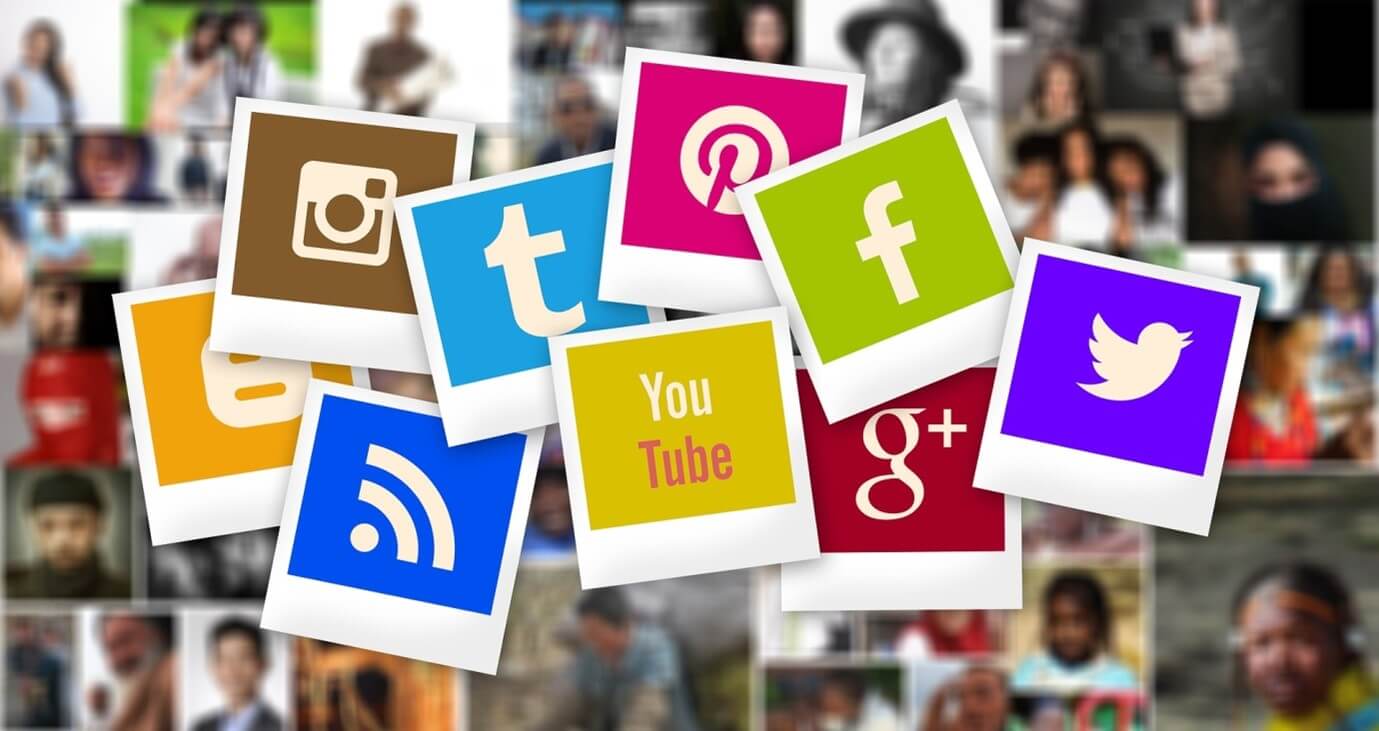
Then the social media stories and statuses arrived. Platforms like Instagram, TikTok and Snapchat transformed the way we shared our lives. Stories vanished in 24 hours, yet left feelings that lingered. TikTok dances showed perfection. Instagram reels of meals plated like some art. WhatsApp status with songs that said more than words ever could. Every post became an act.
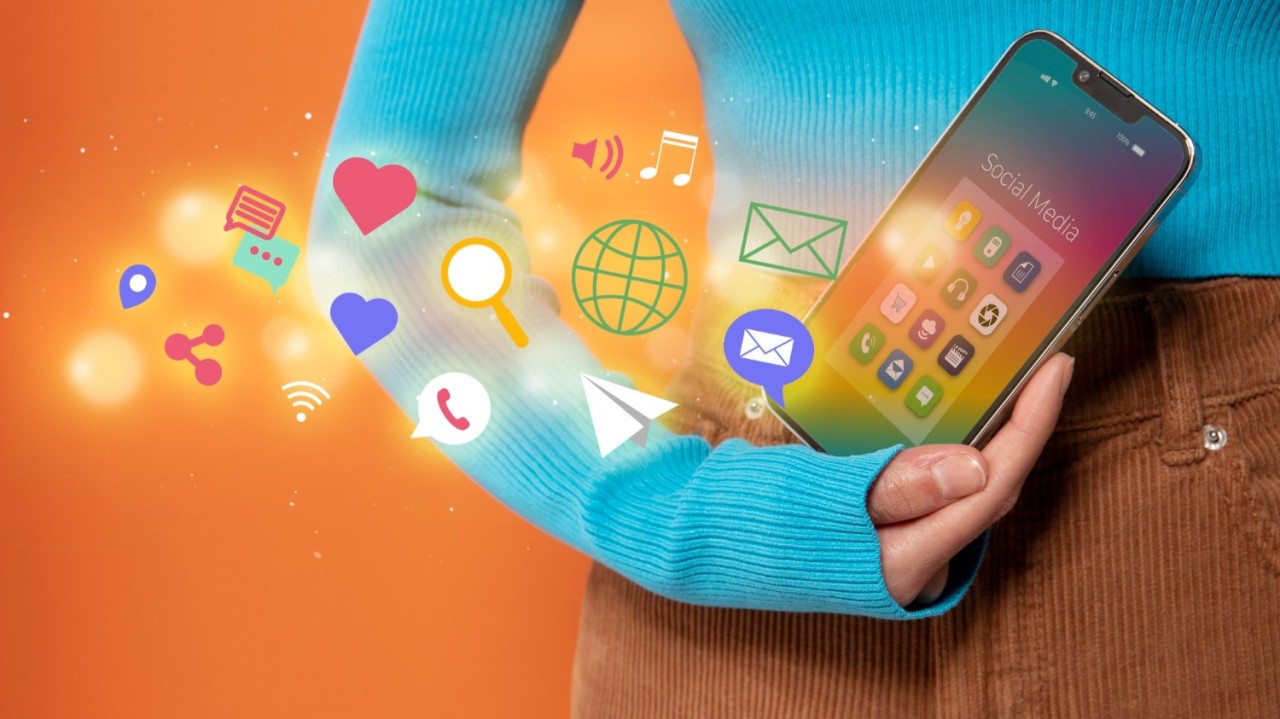
A cup of coffee wasn’t just coffee, it was taste and identity. A gym selfie wasn’t just exercise, it was proof of discipline and ambition. Vacation photos weren’t just for travel, they were for attention. Connection became optional. Attention became essential. With over 2 billion active users on Instagram and TikTok shaping trends daily, performance dominates private connections.
We scroll. Thumbs swipe past filtered mornings, rehearsed smiles and staged adventures. Hearts rise with each like and sink with every ignored story. We compare in envy and perform. Mental fatigue, anxiety and the pressure to perform grow silently with every scroll.
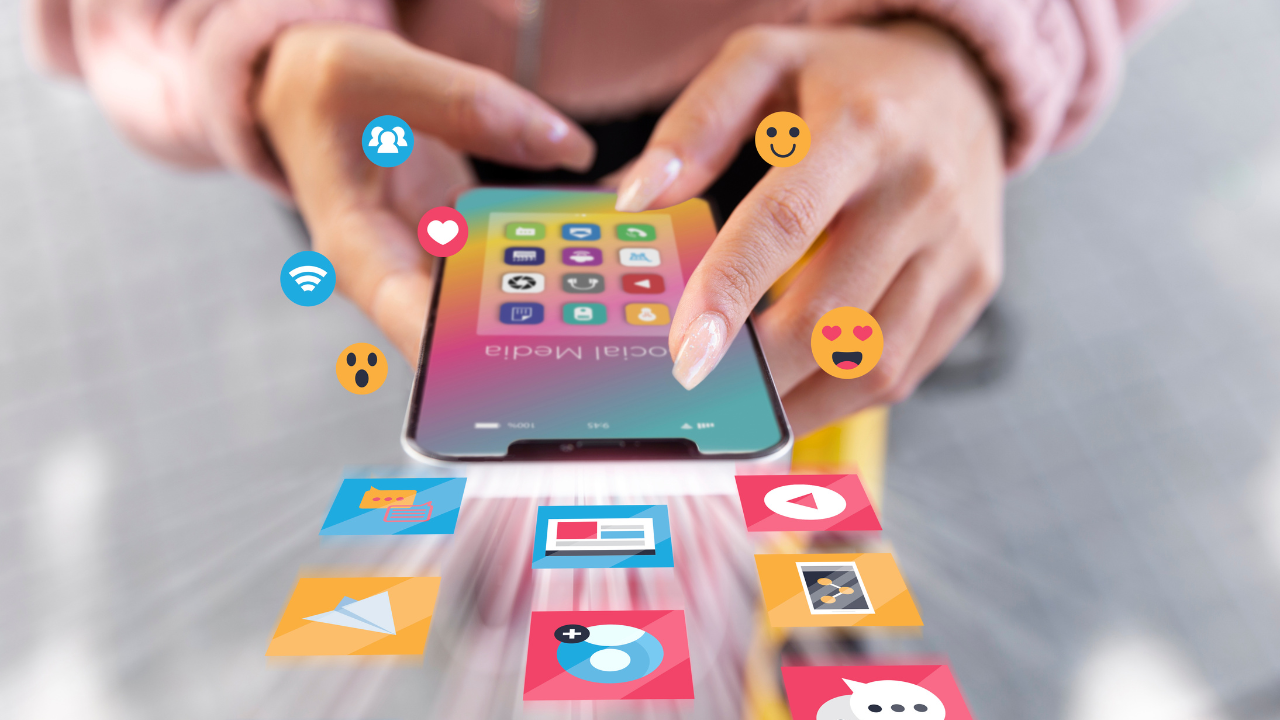
So pause before your next post. See whether you’re sharing a moment or scripting a performance? Reaching for connection or recognition? From AIM to Instagram, from whispers to viral reels, somewhere between the likes, reactions and invisible audiences lies a quiet truth: when did we stop being social and start being spectators of our own lives? And in that rush for validation, do we even remember what it felt like to simply be seen on social media stories and status?
Related Posts

Instagram: Can Instagram’s First Draft Make Reel Editing Faster?
Is YouTube Making Shorts Revenue Harder?
YouTube: YouTube’s September Monetization Changes
YouTube Adds Amazon Affiliate Links: What Creators Need to Know
YouTube Viewership Services – how can creators boost their views?