





























How Shorts and Reels Crushed Indian Social Media Apps?

Do you watch Instagram reels or Chingari reels? YouTube Shorts or Moj Shorts? Of course, we all know the answer, so let’s just talk about the reasons—
1. YouTube and Instagram had a head start
Before these apps were introduced we were already using YouTube and Instagram daily even before TikTok was banned. And these platforms also introduced reels and shorts.
Users thought they were the same, so why download a new app? They were more familiar with YT Shorts and Insta Reels eventually it was seamless and convenient not to download another app with the same features.
It was a tough battle for Chingari and Moj as they had to fight for attention and trust to get downloads.

2. User experience and AI algorithms
When TikTok was banned these apps were launched quickly to fill the TikTok gap; however they lacked polish, features were repetitive, apps were glitchy most of the time and recommendations weren’t accurate.
On the other hand YouTube and Instagram used advanced AI to personalize feeds; content and reels were highly addictive. We can say those apps were able to gain higher user retention just because of the better user experience they provided.
3. Creators follow the reach and money
Creators were behind the visibility and income.
Instagram Reels gave influencers a chance for brand collaboration and wider recognition; simply put YouTube Shorts offered creators a global reach and monetization through ads. Creators thought this was a better opportunity for them.
Indian apps entered with limited reach and weaker monetization; most creators shifted even to YouTube and Instagram, and then their audience followed them as a result shifted too. Indian platforms were not able to match the expectations of creators and audiences.

4. Connections
Social media works where your network is. Community matters a lot as big creators and celebrities migrated to Instagram and YouTube; their followers, users, naturally joined them there because nobody likes FOMO. This network thing has been a real disadvantage for the Indian apps to pull users back.
5. Advertising and brand
YouTube and Instagram had the edge with strong global advertiser relationships as they turned reels and shorts into marketing tools which created an obstacle for Indian apps. They struggled to match the same level of ad spend.
Eventually creators were not able to earn at the same level which was the reason for the loss of Indian apps.
6. Regional Content
When Indian apps like Moj and ShareChat were introduced they gained popularity provided that they had the advantage of regional language content but Instagram Reels and YouTube Shorts soon started promoting whether it was Tamil comedy, Bhojpuri music, Marathi skits, or Haryani reels. This has taken away the sole unique feature that Indian apps had.
When TikTok was banned in 2020, it created a golden opportunity for Indian startups. Therefore, the reality is that Instagram Reels and YouTube Shorts have dominated the market leaving Indian apps behind.

Conclusion
Unless Indian startups don’t start working on innovation and strong technology platforms like Insta and YouTube will continue to dominate India’s short-video market. Only being the homeground app won’t work in their favor. What is your take on this?
visit YTVIEWS.IN
and for such blogs visit— https://www.ytviews.in/blog/
Related Posts

Netflix Opens the Door for India’s Next Generation of Storytellers

Instagram: Can Instagram’s First Draft Make Reel Editing Faster?

TikTok Takes Comments to the Next Level with Voice, Polls and Carousels
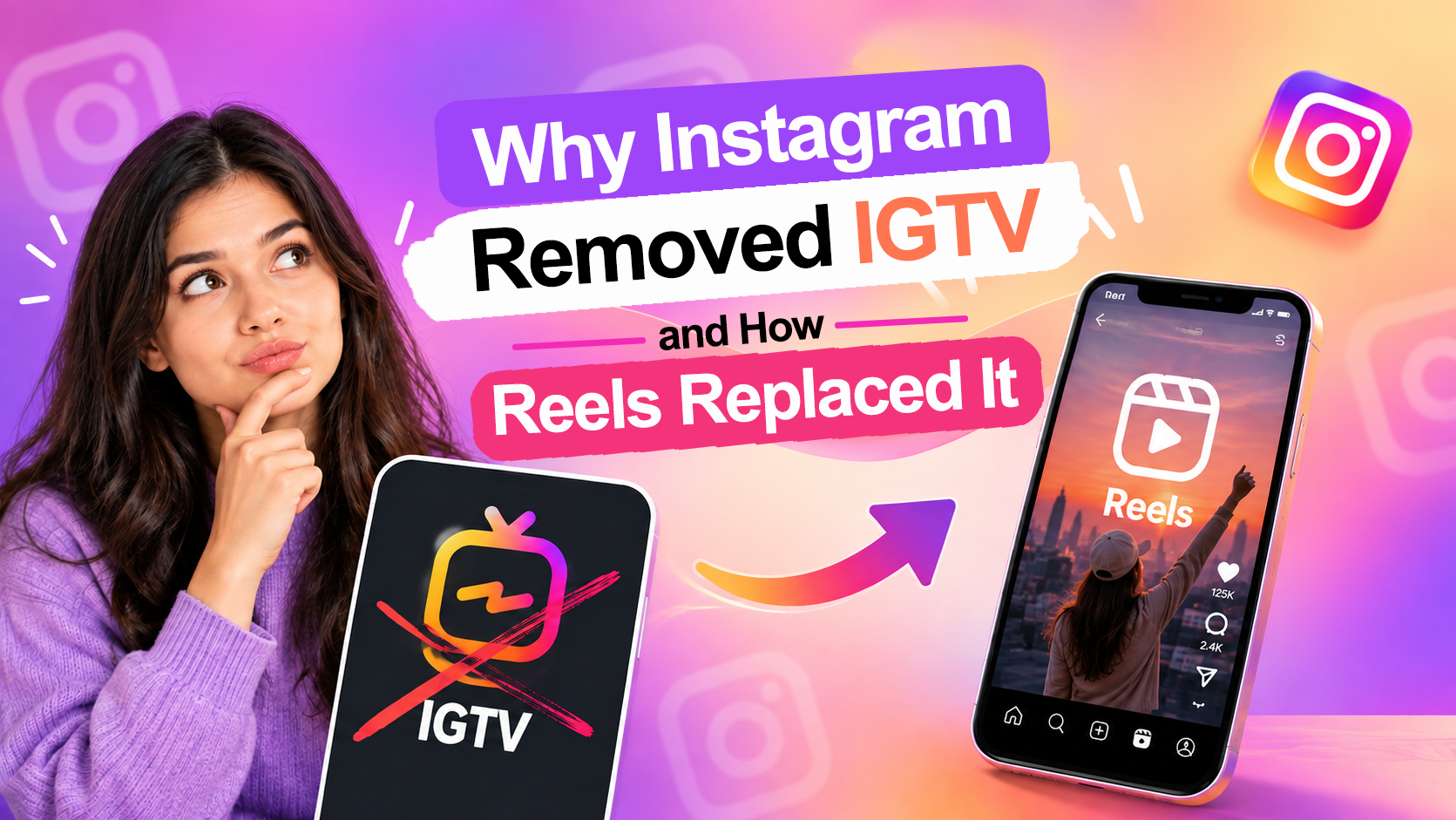
Why Instagram Removed IGTV and How Reels Replaced It