






























Why Generation Alpha is coming to Instagram so early – Even before growing up

There was a time when kids wanted to grow fast, and now kids want to go viral fast.
New playground and meet up stop for kids nowadays has changed and got shifted to reels and content.
Children born after 2010, known as Gen Alpha, enjoy an Instagram-filled galaxy, where social life and socializing occur on the same platform, where friendships are forged and dissolved, likes and comments serve as a sign of popularity or worth, bullying and harassment are rampant, and where ‘clout’ can be pursued, and attention can be looked for endlessly.
Let’s understand, Why, though, do children under a certain age have Instagram accounts? And, more importantly, why are kids showing up on feeds and stories, often captured and posted by adults? They are often put on display and have their lives, and various seasons and stages, narrated by someone else telling their stories to a virtual audience.
The Digital Childhood
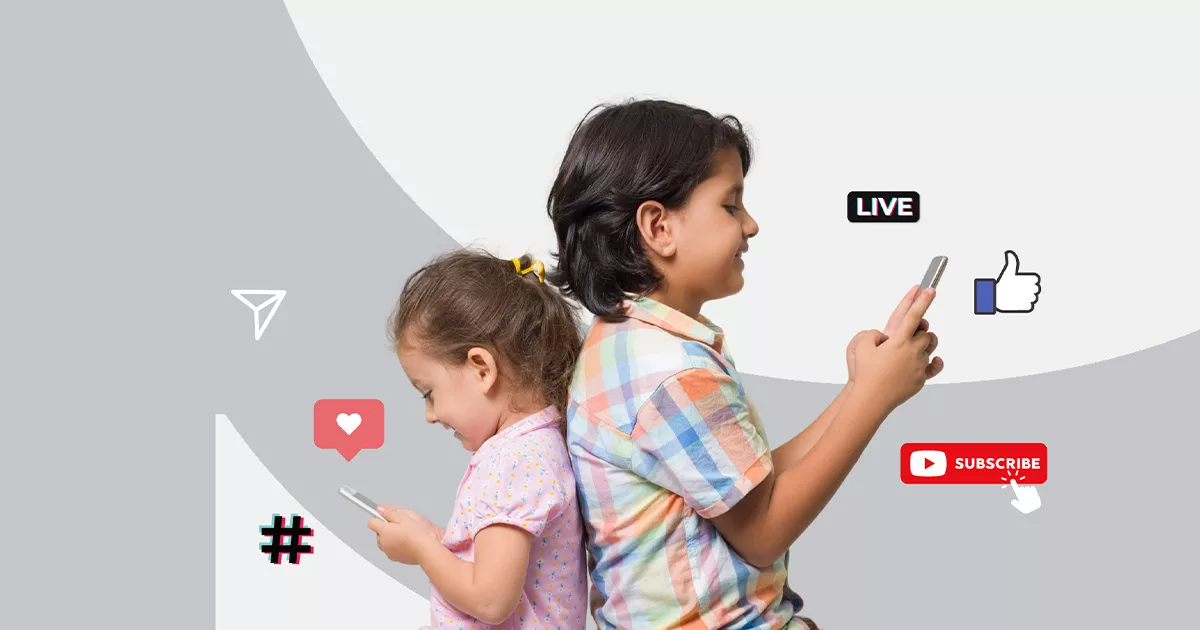
From socializing with friends to documenting life events, social media is now an integral part of a child’s routine. Children today don’t have to ‘discover’ technology. As tablets have replaced toys, YouTube has replaced cartoons, and Instagram has replaced diaries, technology is an extension of everyday life. Instagram is an everyday part of life, as it has been part of everyday adolescence and growing up. Adults who have children in this age group are of the millennial generation. As a result, when kids reach the age of 10 or 11, they are alike from their millennial Instagram-using parents.
To Gen Alpha, Instagram seems less an application to share posts on and more a platform for inclusion. That’s where they communicate, articulate feelings, and discover a community that shares their interests. In an era when friendships made at school are forgotten once the final bell rings, Instagram serves as a virtual room where connections continue.
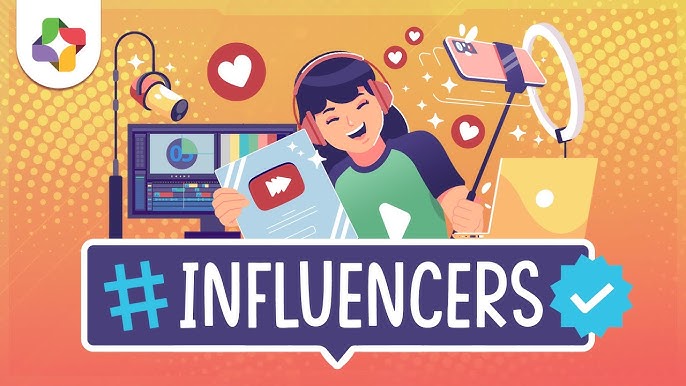
Early Dream to be an influencer
Once upon a time, children aspired to be astronauts, cricketers, or doctors. Now, they aspire to be content creators! Just about every ten-year-old knows the latest audios, hashtags, and how to “go viral.”
This isn’t surprising, though. They have seen young YouTubers and Instagram influencers receive recognition, free stuff, and devoted fans, and they want it too.
But… There’s a Flip Side
Exposure to creativity and self-expression at a young age is wonderful, but it comes with pressure too.
Kids want to be the best, whether or not they understand self-worth. And the endless pursuit of validation through likes can be put down at a young age.
And, it’s worth repeating, every 13-year-old, and often their parents, forgets that digital content created at that age will likely be with them at 22.
Parents Are (Unknowingly) Part of the Problem
Let’s face it—parents nowadays want their kinds to make comfortable infront of the camera not just because of FOMO ( fear of missing out) but because of the social media admiration) they want their kids to get recognised and be loved also want sometimes because of the fame so that more career opportunities like acting and modelling gets open up for their kids either as a child artist or for future career plan. a lot of Gen Alpha kids don’t manage their own Instagram accounts. Their parents do. From baby reels to birthday posts, kids’ online identities are created and documented well before they can even spell Instagram.
By the time they are old enough to type captions and posts, a fully developed digital identity (often created by their parents only) already surrounds them, and it’s something they start to carry and manage as they grow older.
Conclusion
Gen Alpha’s Instagram account isn’t just a product of socialization; it’s an indicator of the new reality we face. The internet has filled every aspect of our lives, and that includes the evolving definition of childhood.
Rather than criticize, perhaps we should help them to find ways to balance the real and the digital world. Teach them the core concepts of digital citizenship, and let them express their hidden potentials in a creative way that does not compromise their originality.
One fact remains: Gen Alpha isn’t a passive receiver and Instagram is not a basic tool-together, they are driving the evolution of Instagram
Related Posts

Instagram Has a New Look — But Does It Really Matter to Creators?