






























EU Flags TikTok’s Addictive Design Under Digital Service Act

Open TikTok for five minutes and chances are you’ll still be there half an hour later. No clock-checking. No pause. Just one video melting into the next. According to the European Commission, this isn’t accidental it’s engineered. In a recent investigation under the EU’s Digital Services Act, regulator accused TikTok of intentionally shaping its platform to uplift excessive use, specifically among young users and resistless adults.
What the European Commission Found
The commission’s preliminary findings point to TikTok’s broad design decisions. Elements such as infinite scrolling, autoplay video and relentless notifications were questioned for people to stay logged in. Regulators say that TikTok did not properly consider the impact of these features on mental health especially when it comes to late-night use and frequent reopening of the app throughout the day both actions are known as warning signs of addictive use.
How ‘Autopilot Scrolling’ Affects the Brain
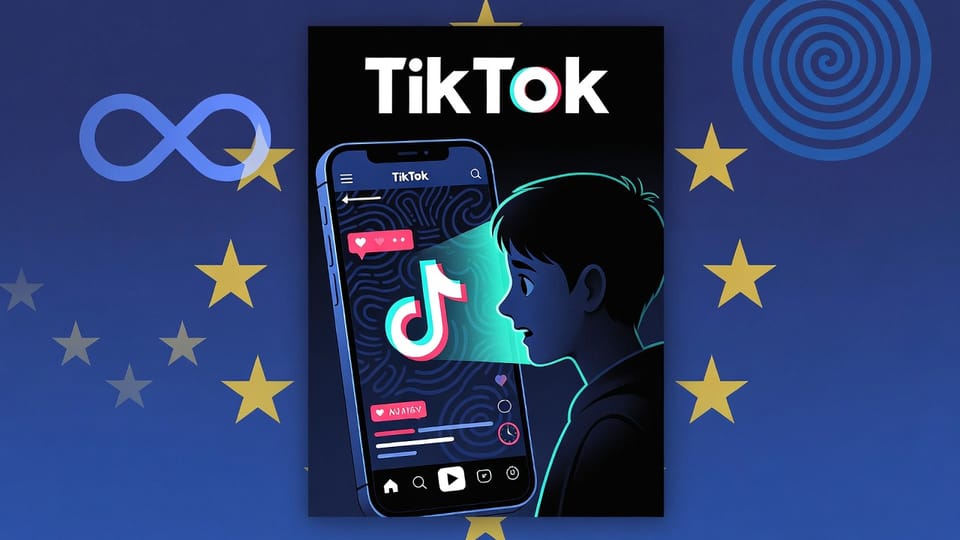
Commission said that by minimising the user’s need one can make conscious choices. This builds up to what experts call an “autopilot” effect. The pattern weakens self-control and increases the risk of habit overuse, particularly among adolescents whose regulatory systems are still developing, according to scientific research cited by E.U. authorities.
Why TikTok’s Safety Tools Fell Short
TikTok may point its reminders about screen time and parental control capability but the EU is not yet convinced. Those tools are easy to dismiss and introduce only a small amount of friction, regulators observed. Parental controls in particular, are so dependent on time, attention and technical force of will to make workability a reality that many parents just don’t have.
A Growing Global Crackdown on Social Media
This case reflects a broader shift. Australia has already moved to restrict social media access for users under 16. Several European countries are considering similar steps, while U.S. states continue rolling out age-verification laws. TikTok has recently settled an addiction-related lawsuit in the U.S., and now faces potential fines of up to 6% of its global annual turnover if the EU confirms violations.
Conclusion: A Turning Point for Platform Design
The EU’s action against TikTok signals something bigger than one investigation. It raises a direct challenge to engagement-driven design itself. If control succeed, social media platforms may be forced to reconsider how extreme they can go in keeping users hooked and at what cost.
Related Posts

Netflix Opens the Door for India’s Next Generation of Storytellers

TikTok Takes Comments to the Next Level with Voice, Polls and Carousels


Why Instagram Removed IGTV and How Reels Replaced It
How Meta Will Pull Off Massive Changes to Its Social Media Apps