






























From Local to Global: How YouTube Channels Go Viral?

Here’s our food for thought today: YouTube does not care what passport your channel is holding. You could literally launch a channel in Manila and suddenly find half your audience chilling in India, France, or even Antarctica. In fact, that’s how a lot of creators grow, as most of their views don’t even come from their own home base.
In today’s digital world, the internet has no borders. But your content does decide how far it can fly. If you’re posting vlogs about your neighborhood’s favorite coffee shop or your hometown’s traffic situation…well, maybe only your neighbors will get the joke. But if you’re doing something like tutorials, gaming, travels, or anything with a universal hook? Congrats! You just got your visa approved and opened your channel up to the world. Bonus points if you’re speaking English a.k.a the unofficial global YouTube language.

Strategies you must use to attract sweet foreign views:
● Translations and captions: Adding subtitles or even just translated titles makes your content pop up in searches abroad.
● Multi-audio tracks: Got fans in Brazil? Imagine them choosing a Portuguese dub of your video, chef’s kiss.
● Keywords matter everywhere: Google Trends is your friend. See what people are searching for in different countries and ride that tide.
● Collabs: Team up with creators outside your country. Their audience becomes your audience, and the best part? no visa required.
Global game depends on your style:
● One multilingual channel (simple and consolidated).
● Separate channels per language (more work but more targeted).
● Or the “global main + local spin-offs” model (basically running an empire).
At the end of the day, YouTube is a stage, and the crowd is literally worldwide. Your job is to figure out whether you want to sing in just one language for your hometown, or belt out a chorus the whole planet can vibe with.
Related Posts
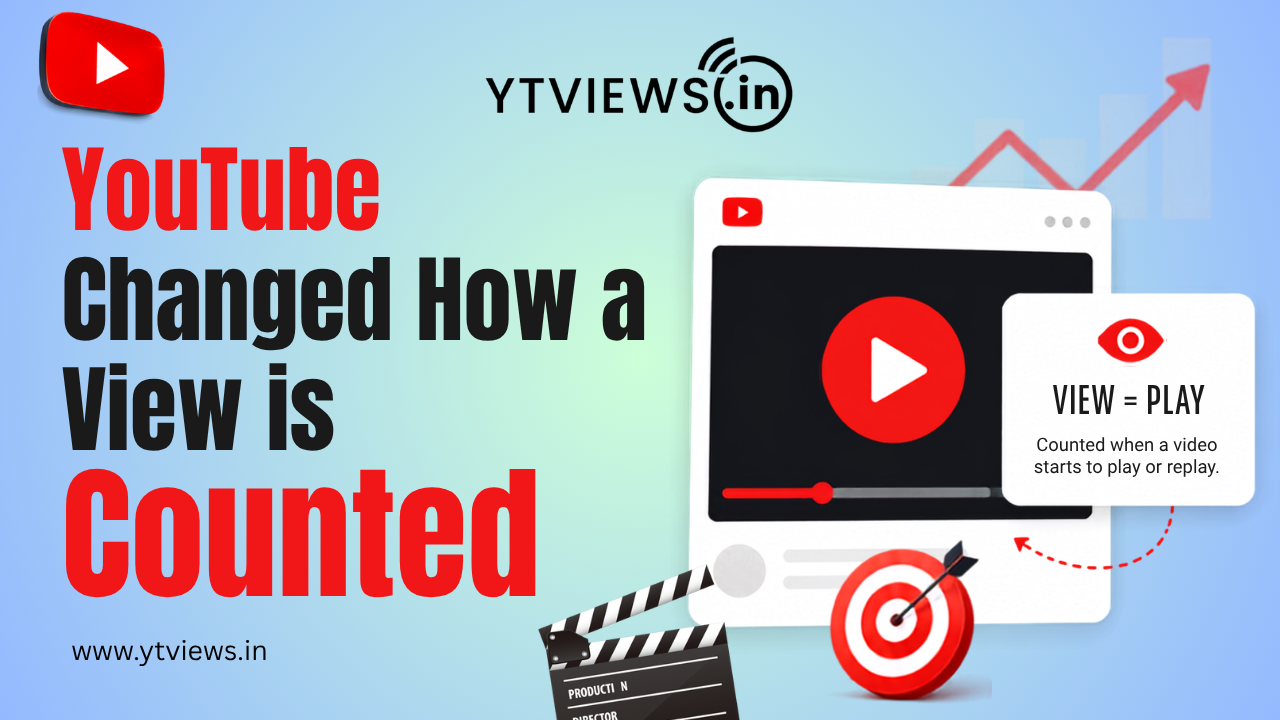
YouTube View Count Update 2026: Explained
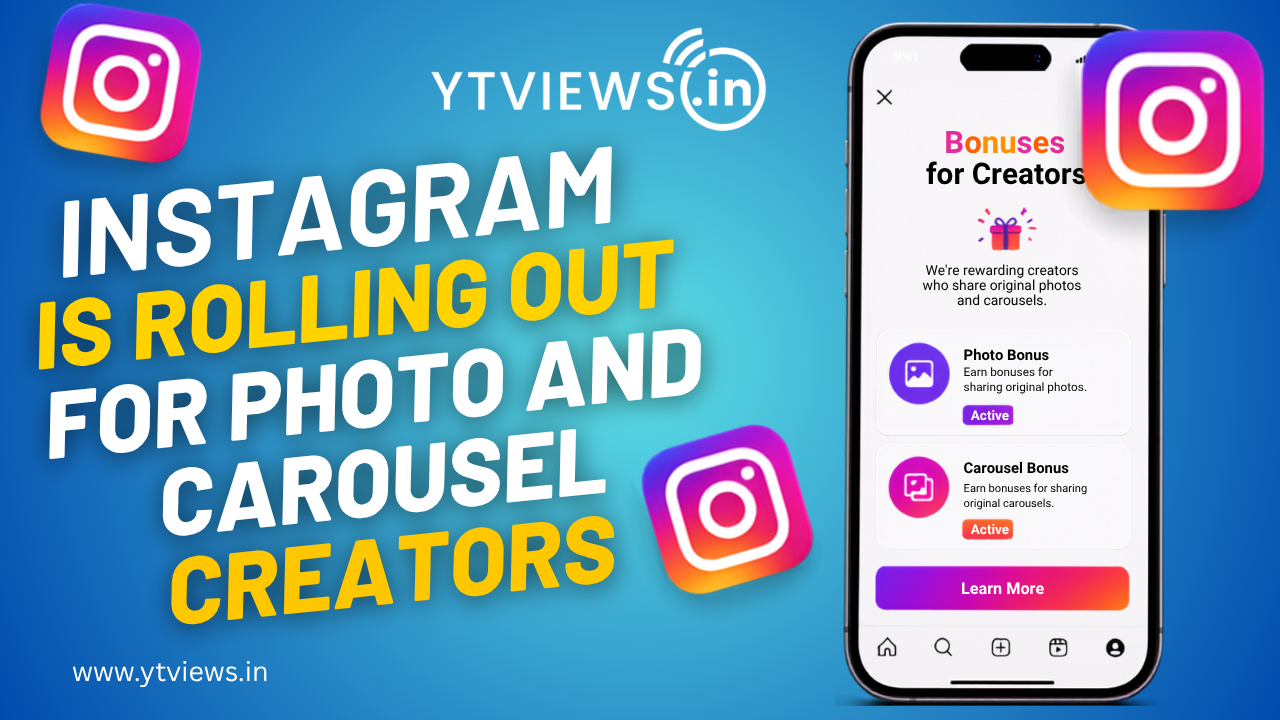
Instagram Is Rolling Out Bonuses for Photo and Carousel Creators
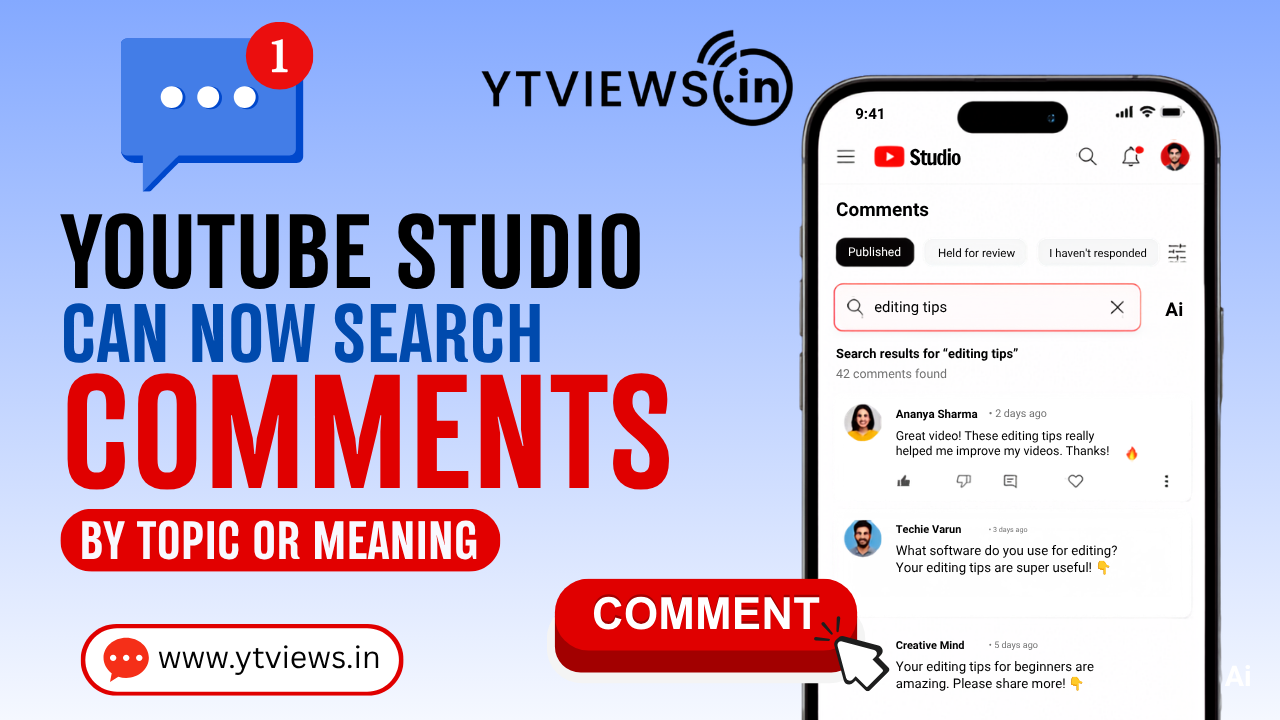
YouTube Studio Can Now Search Comments by Topic or Meaning