
























YouTube Shares Data on Its Educational Benefits for Teens – And Why Should We Care

YouTube has changed over time. Back in my youth days, Youtube used to be just about gaming videos, songs covers, and vlogs that made me romanticize my life. But currently, Youtube wants to step up their game and establish its growing role in education for teens.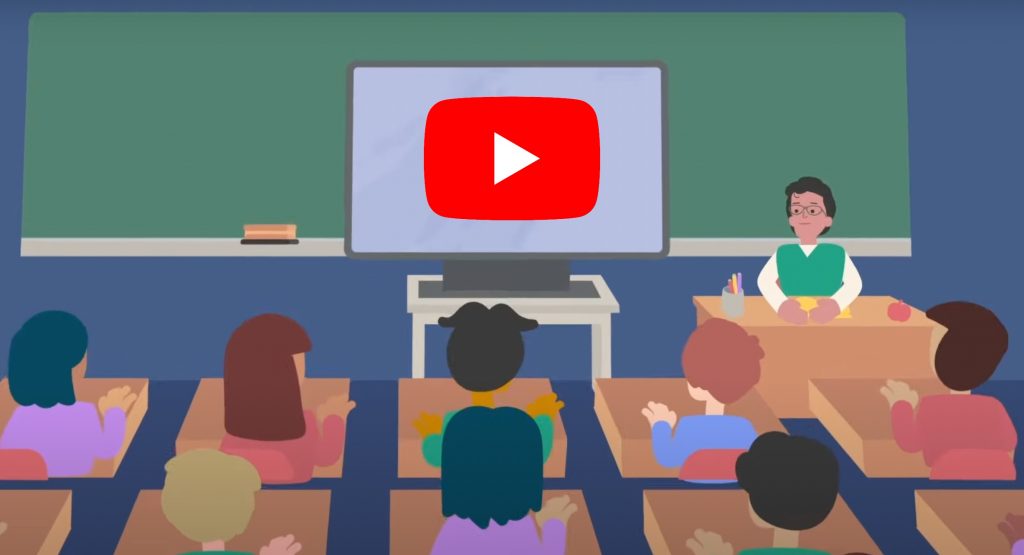
In a newly published study with youth consultancy Livity, YouTube surveyed over 7,000 teens aged 13-18 across seven countries in Europe. And the results? Honestly, not that surprising, but I think it is super important.
● 74% of teens said they use the platform to learn something for school (aka, the visual learners).
● 71% use it to learn something new for fun outside the academia. Safe to say that YouTube is not just for edutainment anymore. It’s a genuine learning companion.
Not Just for Fun The report highlights what many of us already expect.
Youtube is where you go when you want
to see how a specific thing works, and not just read the manual. Whether it’s learning a new recipe, deep diving conspiracies, and even…math (is my love for Mathematics too obvious?). It is often the first stop for teens, parents, and even professionals.
And yes, teachers are in on it too. According to YouTube’s cited data from Oxford Economics, 84% of teachers use it in their lessons or assignments, while 80% of parents who use it believe the platform provides quality educational content.
And they aren’t wrong. YouTube is now reshaping how kids learn with the combination of visual, interactive, and engaging content in ways traditional classrooms sometimes can’t.
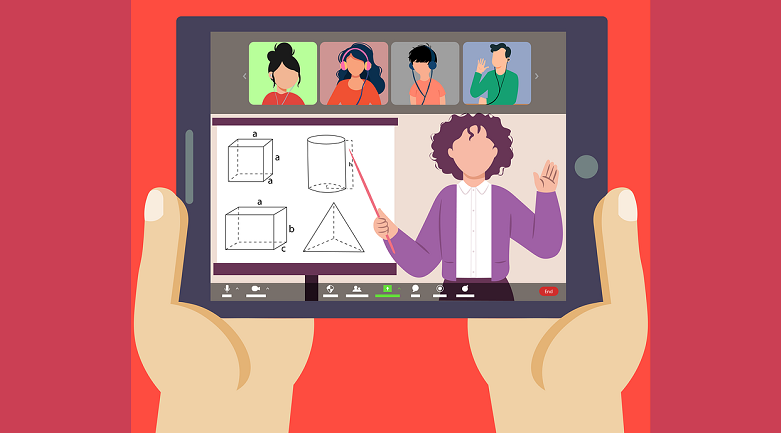
Future-shaping
Whether or not regulators buy into YouTube’s “education-first” pitch, the data speaks for itself. The platform is already a classroom extension for kids and we got to deal with it. Limiting that access could confine the students and restrain them from learning opportunities too.
And from a wider lens? This is part of YouTube’s ongoing balancing initiative where they prove their value, while reducing perceived risks, and keepin them safe from the regulators’ hit lists/ Because let’s be real here, once a platform gets labelled as “just another social media app,” it ecomes way easier for them to restrict.
Self-study to self-invoke
So, this study certainly provides food for thought. Will showcasing its educational benefits save YouTube from stricter teen access laws? Probably not entirely. But it could be a chance for them to be something more. Something impactful. And something that will last for long.
At the end of the day, YouTube is trying to prove what a lot of us already know. It is where learning happens, whether it’s solving algebras, guitar chords, or finally mastering that even eyebrow fleek.
The regulators may not care if your brows are uneven, but teens sure do. And that’s why Youtube’s fight for their impact is far from over.
fore more unique article visit ytviews,in
Related Posts