




























Why Did Generation Z Skip Facebook?

Generation Z is often described as “leaving Facebook”, but that framing is inaccurate. Most never truly arrived. Unlike earlier generations who discovered Facebook while building their digital identities, Gen Z entered the internet through mobile first, visual platforms that demanded no setup, no network building and no long term commitment. Facebook wasn’t rejected, it simply wasn’t required at the moment Gen Z made their first social choice.

Born Digital, Never Logged In
Gen Z did not grow up discovering the internet, they were born into it. Their first experiences were mobile first, visual and algorithm led. Platforms introduced content before connections, entertainment before identity building. Facebook, by contrast, was designed around constructing networks over time. This difference matters. Gen Z expects instant context, not gradual social setup, making Facebook feel unfamiliar before it even feels outdated.
Moments Matter Over Saved Memories
For Gen Z, online presence is about expression, not record keeping. Posts are meant to be light, temporary and low pressure. Facebook’s strength has always been its ability to document life, events, milestones and memories. That strength does not align with a generation that treats identity as fluid and evolving. The hesitation is not rejection, it is a preference for spaces that do not freeze moments permanently.
Communities Before Connections
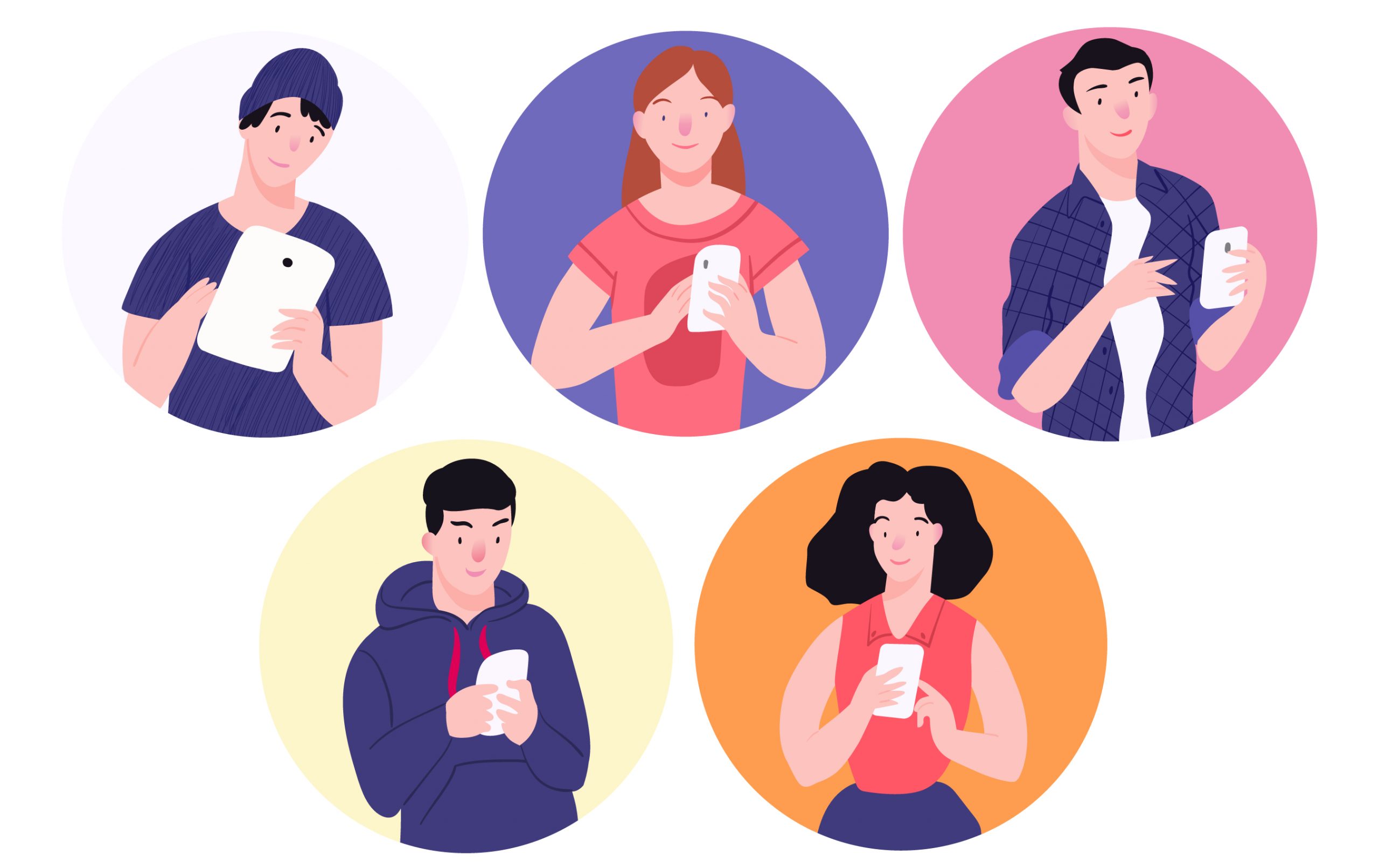
Younger users gravitate toward platforms that feel like rooms rather than directories. They join communities, trends and conversations without needing a visible network attached to their name. Facebook organizes people, Gen Z platforms organize experiences. This explains why Facebook can still be useful later for groups or marketplaces, but rarely feels essential at the point of first signup.
Timing Defines Platforms
Every major social platform reflects the era in which it rose. Facebook defined online connection for one generation exceptionally well. Gen Z entered during a different phase, shorter attention cycles, faster trend turnover and visual language over text. This is not about quality or capability. It is about cultural timing. Platforms do not age badly, cultures simply move forward.

Conclusion
Gen Z represents the end of default platforms. Apps are no longer inherited through social momentum, they are chosen intentionally. Facebook remains influential, widely used and commercially powerful. But first time relevance now requires cultural alignment at the moment of entry. In today’s internet, presence alone is not enough. Platforms must meet users where they begin, not where others once did.Why Did Generation Z Skip Facebook?
Related Posts

YouTube Experiments with TV-Style Channels for CTV Viewing

What’s special about Youtube’s shopping affiliate program