





























Vietnam Allows Skippable Ads on YouTube After Five Seconds

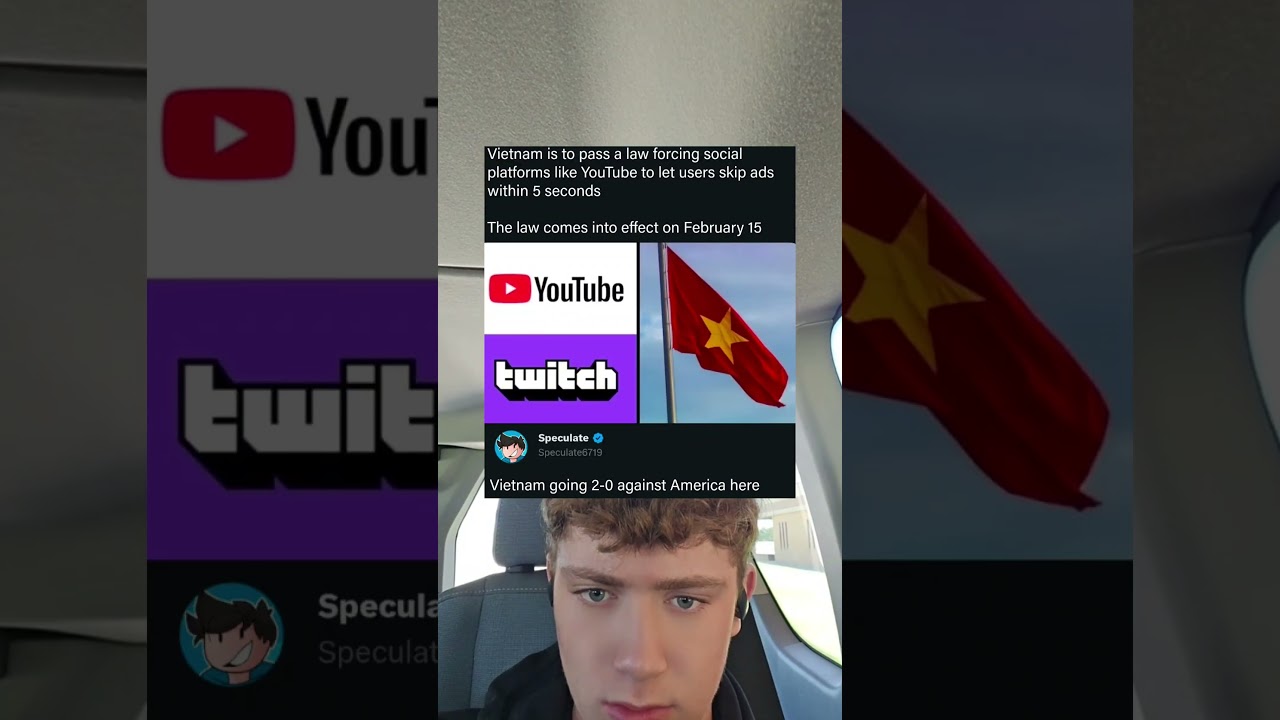
Vietnam quietly did something most users have wanted for years but few governments dared to enforce. From February 15, 2026, people using platforms like YouTube in Vietnam will no longer be forced to sit through long, unskippable ads. After five seconds, they can leave. No tricks. No hidden buttons. It sounds basic, almost obvious, but in today’s ad-driven internet, it’s a serious shift.
What Actually Changes for Users
The new rule affects nearly every form of digital advertising. Video ads must allow skipping within five seconds. Pop-ups and banners must be easy to close immediately. Designs that confuse users with fake close buttons or misleading icons are no longer allowed. In simple terms, users get control back. Ads can still exist, but they can’t hijack attention anymore.
Why Vietnam Stepped In
This move didn’t come out of nowhere. Long ads have stopped being informative and started feeling like punishment. Vietnamese authorities have framed the law as a response to growing public frustration and manipulative ad practices. The goal isn’t to kill advertising, but to stop platforms from abusing patience just because they can.
What Experts and Brands Think
Many digital media experts are in support the movement. They gave an opinion that ads should not trap people instead should attract them. Some brands also agree, even though they do not say it openly. However, companies are worried about reduced exposure. Content creators are also concerned because ad revenue plays a big role in their earnings.
The Part No One Is Cheering For
There’s a downside, and pretending otherwise would be dishonest. Platforms may compensate by pushing paid subscriptions harder. Smaller advertisers could struggle to make an impact in short ad windows. There’s also a chance companies simply shift pressure elsewhere, like increasing ad frequency instead of duration.

Conclusion
Vietnam’s law won’t fix or change online advertising in a short spam, but the statement gave the clear signals to brands and advertisement company. User time is not unlimited, and attention shouldn’t be taken by force. Whether this leads to better ads or just different strategies remains to be seen. What’s certain is that the old model of trapping users is slowly losing acceptance.
Related Posts

YouTube Experiments with TV-Style Channels for CTV Viewing

What’s special about Youtube’s shopping affiliate program

YouTube Creator Partnerships: New Update Explained