





























The Sponsorship Boom in 2025

Over the past few years, there have been many changes to social media, with the addition of social media marketing. Now, creators can influence buyers through Instagram reels, TikTok trends, and YouTube videos. Most creators get brand sponsorships, where influencers advertise products. Almost any creator will have some sort of brand deal.
The Boom of Sponsorships in the Creator Economy
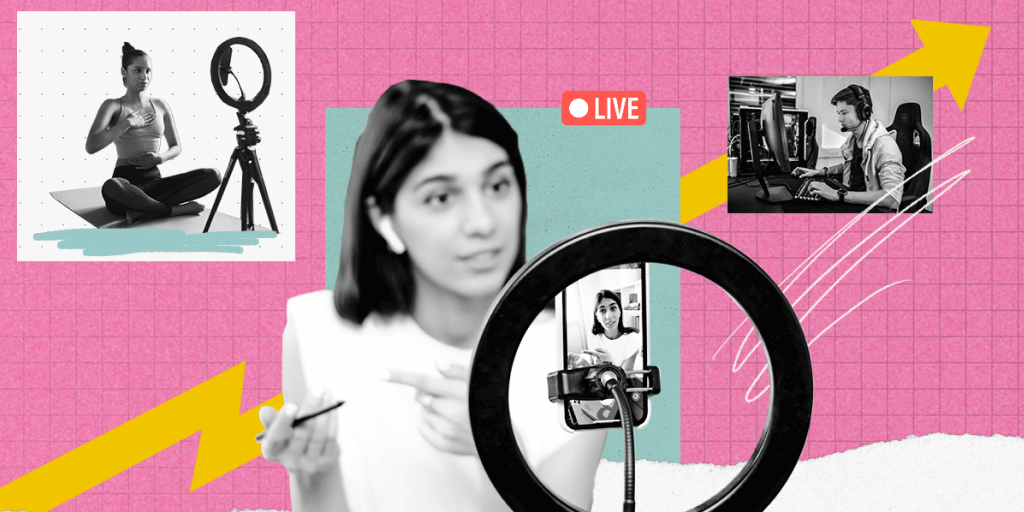
In the creator economy, advertisements are made by everyday people rather than professionals, and people seem to trust these advertisements much more than polished commercials made by companies. Advertising is not just about people who are social media influencers anymore. Companies sell their products and services by incorporating creator economy principles and advertisements made by everyday people. They sell products/gadgets like skincare, tech, and clothing by collaborating with creators who have a more authentic and engaged audience. Now even micro-influencers are approached. This is because they are often more personal and have a closer relationship with their audience.
Why Brands Are Investing Heavily in Influencers
Brands lean towards working with influencers due to the authentic and organic nature of their content. Unlike traditional advertisements that interrupt the viewing experience, influencer posts seamlessly integrate into the social media feeds of the audience. Moreover, content creators possess a profound understanding of their audience – they know their preferences, interests, and how to present a product in a manner that resonates with them.
The Rise of “Fake” Sponsorships
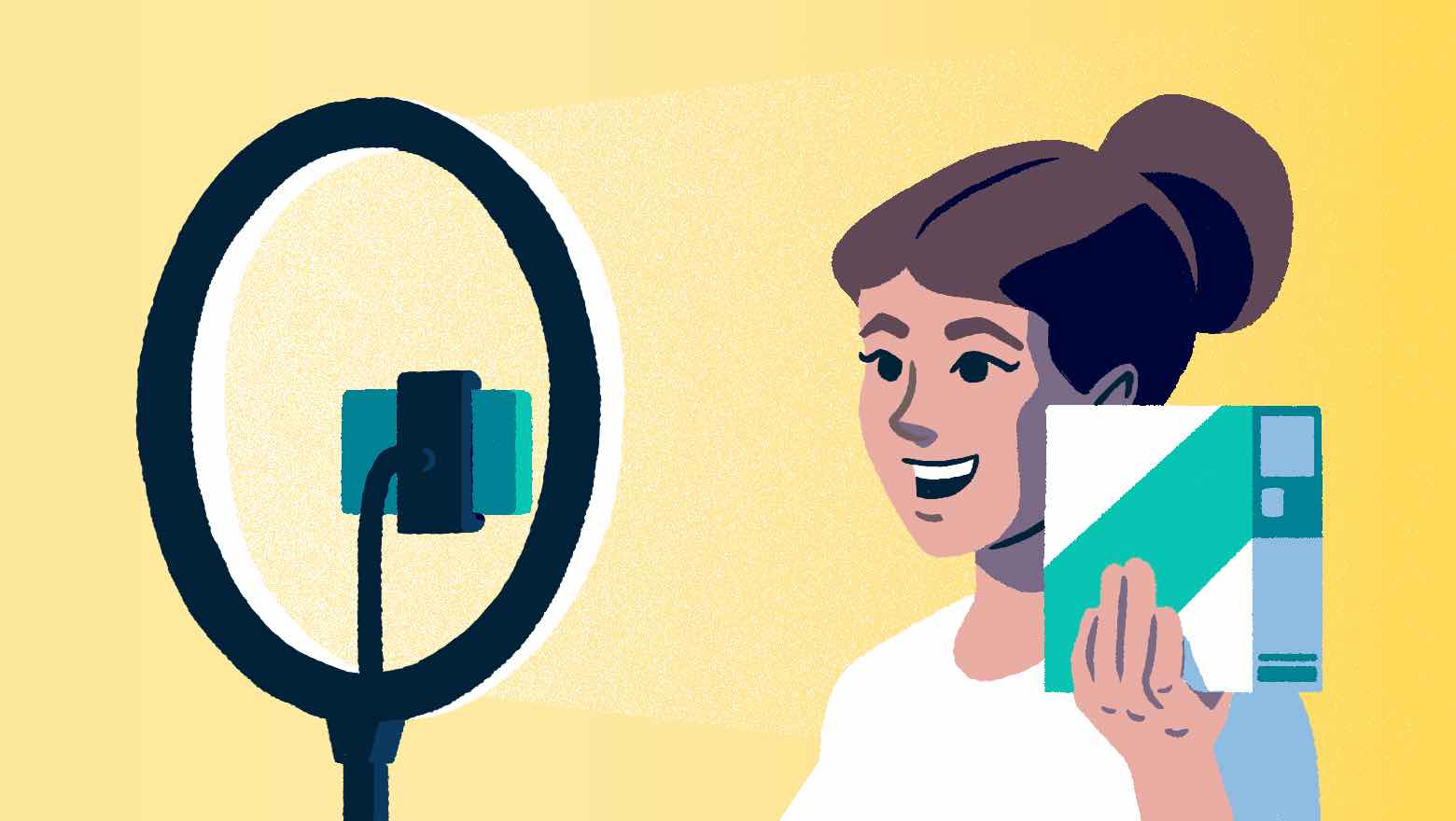
Not every “brand deal” you look at online is genuine. Some creators, particularly those who are inexperienced or trying to gain trust, have fake sponsorships. They tag businesses, unbox items, or display “thank you” messages to suggest they have been compensated to highlight a product when they really haven’t. This behavior is often driven by the need to look successful or the hope of getting authentic partnerships later. Followers tend to get the impression that someone is doing “paid partnerships” all the time. This boosts their image, increasing their odds of getting real partnerships.
Impact on the Industry and Audience Trust
Although feigning sponsorship deals is not the worst thing in the world, it can still break the trust you have built with your audience. When viewers catch on to the fake partnerships, it is the influencer’s credibility that becomes questionable. For the ‘real’ influencers, this most certainly becomes unfair competition, as fake sponsorships muddle the influence vs. self-promotion boundary. Even brands have become more wary of creators’ engagement rates and ‘sponsorship’ transparency. To maintain more trust and clarity social media platforms have started adding restrictions and warning tag on all the content that is sponsored.
Conclusion
The increase in sponsorships suggests the beginning of a new era in the online world, where creativity is combined with commerce. However, the essence of influencer marketing should always be built on trust. Genuine partnerships equip creators, build profitable networks, and resonate with the audience, while inauthentic sponsorships destroy that trust. In the end, the audience’s trust is the most important currency in content creation because genuine content is far more lucrative than contrived content.
Related Posts