






























ShareChat’s Missed Chance to Become India’s Main Social App

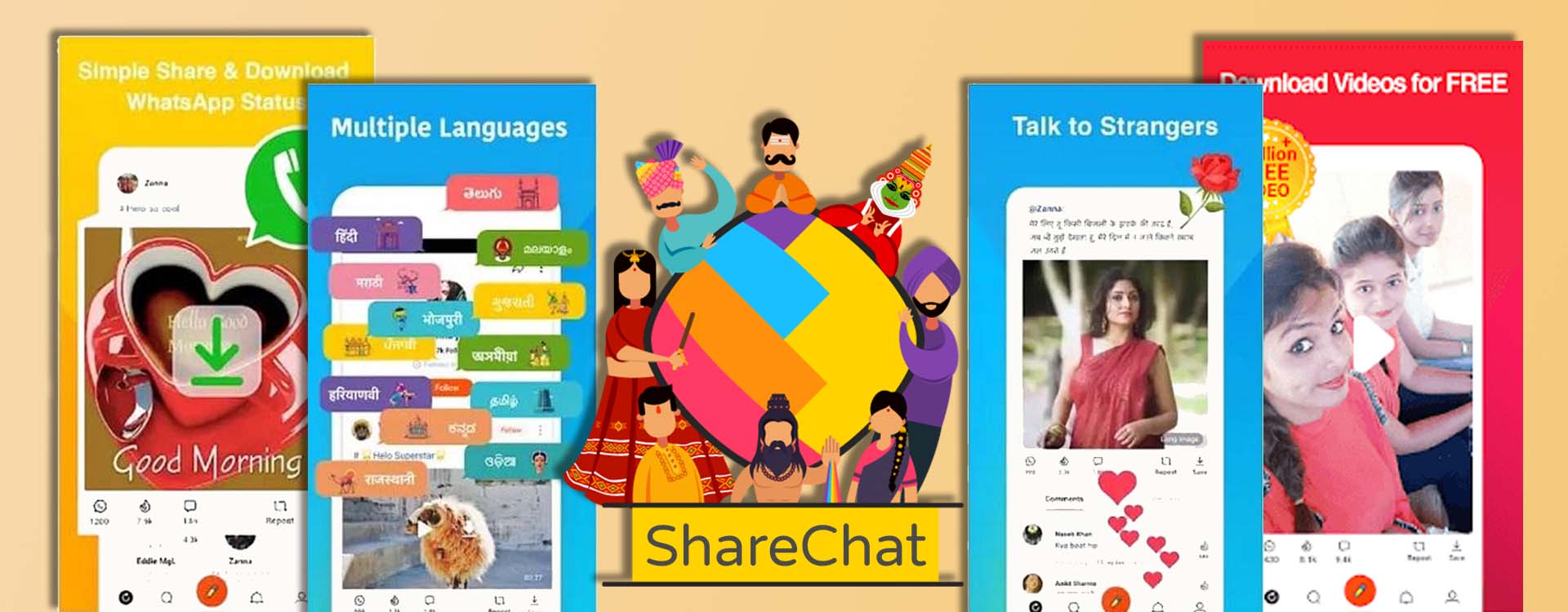
At one point, ShareChat looked like it might pull off something big. An Indian social media platform, built for people who didn’t live their lives in English. It spoke the language of small towns, local humour, and everyday emotions. Early numbers looked promising, and investors believed the story. But popularity at launch and cultural relevance at scale are not the same thing. Over time, ShareChat stopped feeling like the future and started feeling like a side option. That shift explains everything that followed.
The Regional Identity That Never Expanded
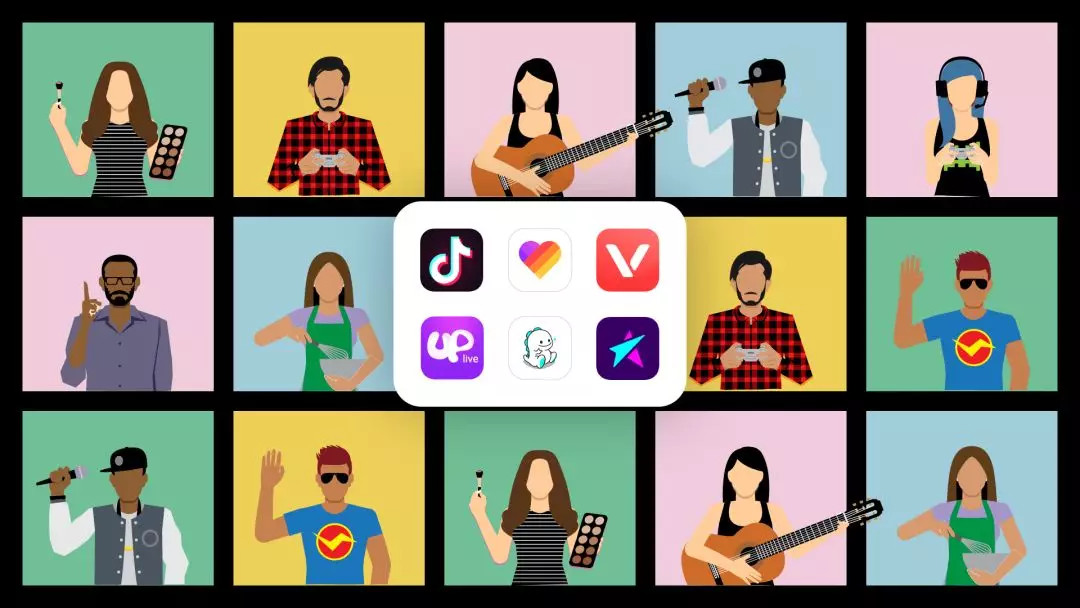
ShareChat’s regional-language focus was powerful in the beginning. It gave millions a sense of belonging online. The problem was what came next—or rather, what didn’t. The platform never managed to grow beyond that identity. Instead of blending regional and urban audiences, it stayed locked into one image. Many users quietly decided it wasn’t “for them,” without ever opening the app. Mainstream platforms don’t ask users to choose a category. ShareChat did, unintentionally.
A Platform People Used, But Didn’t Aspire To
Here’s an uncomfortable truth: people care how a platform makes them look. Instagram became a status symbol. YouTube became a career path. ShareChat never built that emotional pull. Users scrolled, shared, laughed—but they didn’t identify with it. When a platform lacks aspiration, loyalty stays shallow. And shallow loyalty disappears fast.
Creators Came, Tested, and Left
Creators tried ShareChat. Many left. Not because the audience was bad, but because the future felt unclear. Reach was inconsistent. Monetisation felt experimental. Recognition didn’t travel outside the app. For creators chasing growth, this mattered. Instagram and YouTube offered something ShareChat couldn’t—visibility beyond one ecosystem. Once creators drifted away, the platform lost its strongest growth engine.
Content Quality Slowly Slipped
As numbers gets high, control weakened. Feeds became repetitive. Low-effort content increased. Sensational posts travelled faster than thoughtful ones. This is where many users mentally checked out. Social media fatigue is real, and people don’t tolerate chaos for long. When trust drops, uninstalling becomes easy.
Late Decisions and Split Attention
The launch of Moj showed awareness but also hesitation. Instead of strengthening one product, energy was divided. Meanwhile, global platforms moved fast, copied aggressively, and refined endlessly. In tech, hesitation is expensive. ShareChat paid that price.

Conclusion: A Platform That Stopped Short
ShareChat didn’t collapse. It didn’t vanish. But it never crossed the line into everyday necessity. It reminds us that understanding India is not enough. Execution, aspiration, and adaptability decide who becomes mainstream. ShareChat had the opening. It just didn’t close the deal.
Related Posts

Google Offers New Demand Gen Ad Campaign Features

How to Turn Followers into Paying Customers

How New YouTubers Use YouTube Studio to Go Viral

Instagram May Let Users Exit Close Friends Lists Soon