





























Meta Opposes Australia’s Under-16 Social Media Restrictions

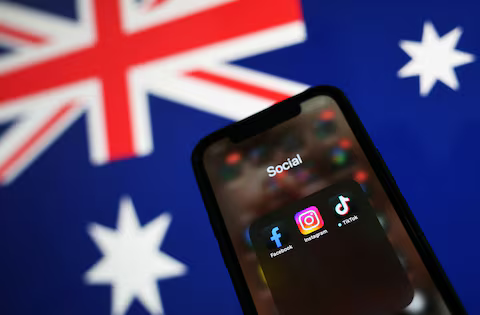
Australia wanted to protect kids online. Fair goal. But when Meta blocked more than 544,000 accounts in response to the country’s proposed under-16 social media ban, the conversation changed overnight. What looked like a child-safety policy suddenly felt messy, rushed, and humanly expensive. Parents were confused, users were locked out, and Meta made it clear it wasn’t backing down quietly.
This isn’t just about teenagers anymore. It’s about how governments regulate digital spaces without breaking them in the process.
Why Were So Many Accounts Blocked?
Meta says the blocked accounts were flagged through age signals — activity patterns, account behavior, and self-reported data. That sounds technical, but here’s the truth:
online age detection is guesswork.
Some adults were caught in the net. Some teens with parental approval lost access. Others didn’t even know why they were blocked. The scale of the action exposed a simple flaw — you can’t enforce a strict age rule with soft data and expect clean results.
Meta’s Real Objection (It’s Not What You Think)
Meta isn’t saying kids shouldn’t be protected. They’re saying this method is careless. First, tighter age checks usually mean asking for IDs or facial data. That creates a privacy nightmare, especially for minors. Second, pushing platforms to act alone lets governments avoid building proper systems themselves. Meta’s argument is blunt: don’t demand precision without giving tools.
Australia’s Counterpoint
Australian lawmakers aren’t backing off. They argue that social media harms teen mental health and normalizes constant comparison. From their perspective, platforms grew fast and regulated slow — and now it’s time to pay attention.
Even if enforcement isn’t perfect, they believe in drawing a hard line.
Why This Matters Beyond Australia
This isn’t a local experiment. If Australia succeeds, other countries will copy it. The result could reshape how young people access the internet worldwide, or push them toward unregulated, riskier spaces.
Conclusion
Blocking thousands of accounts didn’t fix the problem — it revealed it. Online safety can’t be enforced with rough guesses and rushed rules. If governments want real protection for young users, they’ll need smarter systems, shared responsibility, and patience, not just bans that lock out the wrong people. Until then, policies like this will keep colliding with reality — and users will keep paying the price.
Related Posts

Google Offers New Demand Gen Ad Campaign Features

How to Turn Followers into Paying Customers

How New YouTubers Use YouTube Studio to Go Viral

Instagram May Let Users Exit Close Friends Lists Soon