





























How Indian Creators Bypass TikTok Ban

The Rise and Importance of TikTok
TikTok was launched in India in 2017 and just in three years it became one of the country’s most engaging and downloaded apps with more than 200 million active users. For many creators it was a life-changing platform. TikTok’s unique algorithm encouraged content based on engagement rather than based on followers, which meant that even a newcomer had a chance to go viral overnight. This standardization of fame turned normal people into digital celebrities. Brands, startups and even politicians started using TikTok to reach large audiences making economic powerhouse.
The Downfall of TikTok in India
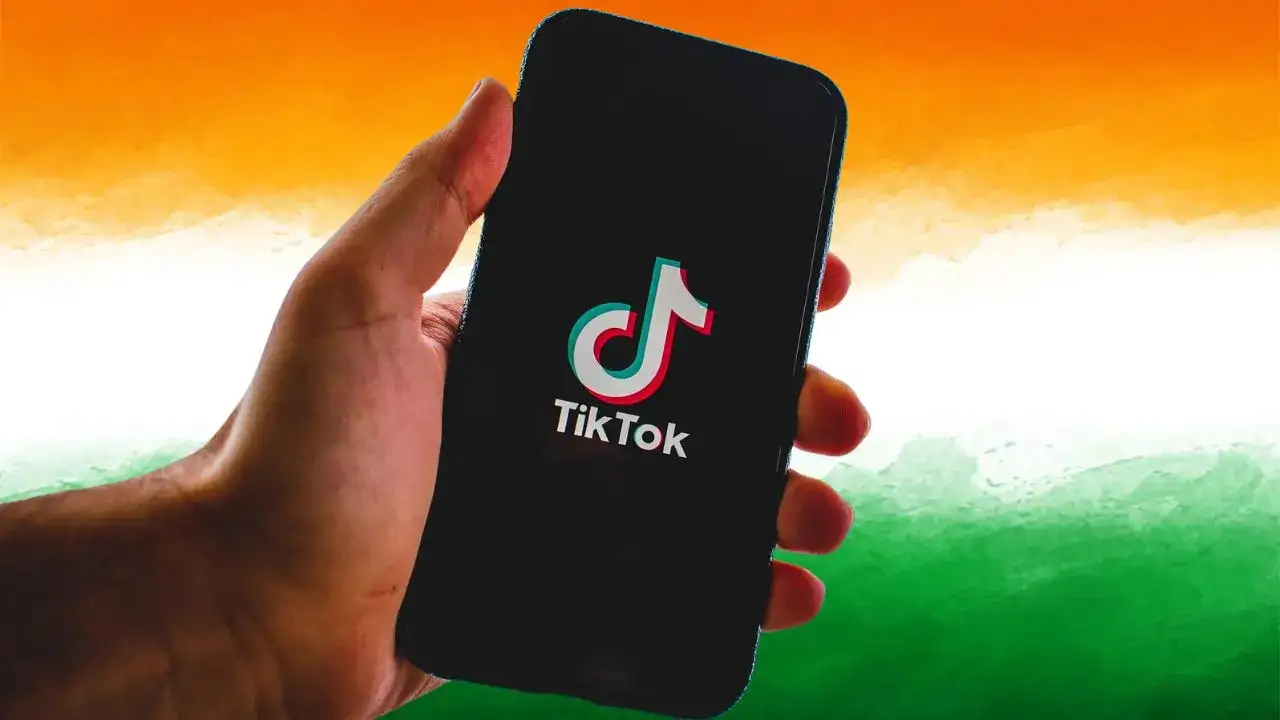
In June 2020, India decided to ban TikTok along with several other Chinese apps. The ban was unexpected and left millions of creators in shock. Overnight everything changed, they lost their followers, their source of income was shattered. While platforms like Instagram Reels and YouTube Shorts quickly tried to reduce this gap but TikTok’s absence was always present because of its unbeaten reach and engagement.
VPN: A Doorway to Restricted Platforms
Despite the ban, TikTok didn’t disappear totally from Indian . Many creators used VPNs (Virtual Private Networks) to use the platform. A VPN hide the user’s real location and connects them through another location where the application is accessible. This method helped Indian creators continue to post videos, interact with global fans and even participate in international trends but all this was taking place unofficially . However there are few challenges to use VNP: Slow speed of internet, risk of account getting hacked or deleted and the risk of bypassing national regulations.
App Store Location Changes
People tried to work smart by switching app store locations. Many creators changed their Google Play or Apple App Store location to countries where TikTok is available. This approach was little safer than third-party downloads as it make sure the app remains official. However the drawback was that users may need foreign payment methods or billing addresses and because of it very few people went for this method.
Third-Party Applications
For those who were not able to use VPNs or switch store locations, third-party application stores was a solution. This allow users to install TikTok manually. Although this method was convenient but it involved at mas risk to malware, fake versions or outdated builds of TikTok that lack security system. Yet, it continues to be one of the popular choice for many because it is free and easy to use.
Cross-Posting and Indirect Use of TikTok
Indian creators also adjusted by cross-posting. Some still upload content to TikTok through VPNs while on the other hand users post the same videos on Instagram Reels, YouTube Shorts, Moj or Josh. This strategy make sure they remain attach to both Indian and international audiences. Others use TikTok trends by recreating them on different platforms, keeping the impact of TikTok alive even without access.
 TikTok’s ban in India marked the end of an era and it was a tragic shock for public. Through VPNs, app store workarounds, third-party apps and cross-posting strategies, Indian creators have tried their best to kept the spirit of TikTok alive. The platform may got ban but its cultural footprint remained in India.
Related Posts