





























Clubhouse in India: Reasons Why It Failed to Attract Users

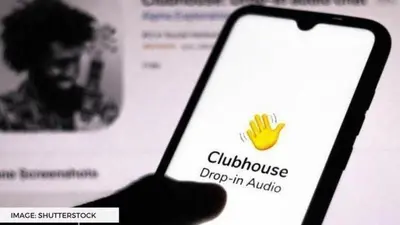
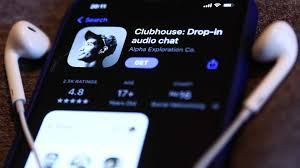
Clubhouse was launched in India with a lot of hype in 2021. For a while, it felt like everyone wanted an invite, mostly because it seemed new and a little exclusive. People were stuck at home during COVID, bored out of their minds and the idea of live chats actually sounded fun. It did catch on for a bit, but the excitement never really settled into long term use. Once things opened up again, the momentum basically vanished.
The Early Spark Didn’t Last
That invite only gimmick definitely helped in the beginning. Influencers jumped in, people followed and everyone explored random rooms just to see what was happening. But after the novelty wore off, the app didn’t give users a strong reason to keep coming back. The energy that carried it through the lockdown phase faded quickly and you could see that the platform wasn’t built to hold a huge Indian audience for long.
Competition and Accessibility Problems
India already had plenty of platforms offering similar or better interaction. Twitter Spaces and Instagram Live rolled out audio features without making users wait for an invitation. Local apps like Leher and Koo did the same. Another big issue: Clubhouse leaned heavily towards English. In a country with so many languages and content styles, that alone shut the door on millions of potential users.
Engagement Fell Apart Internally Too
Even for those who tried staying active on the app, the interaction didn’t feel rewarding. Pure audio discussions just didn’t compete with video formats that are much easier to dip in and out of. People using cheaper phones dealt with lag and glitches, which made everything worse. And some rooms weren’t moderated properly, so users regularly bumped into messy or uncomfortable situations. Once people returned to office, college and life in general, nobody really had the patience for long live conversations.
Why It Worked Abroad but Not Here
The U.S. saw more consistent activity because English wasn’t a hurdle and the audience there already had a taste for podcast-like discussions. India’s social media scene is completely different, more diverse, more visual and heavily language driven. Clubhouse never adapted to that reality and its growth got stuck in a niche bubble.
Final Thoughts
India is a reminder that hype doesn’t keep a platform alive. The app ran into too many walls: competition, limited accessibility, weak engagement, language gaps and users shifting back to offline life. Could it survive focusing on regional languages, creators or different content formats? Possibly. But its current decline makes one thing obvious, if a platform wants to survive in India, it has to understand the audience first. Clubhouse didn’t and that’s where it lost its chance.
Related Posts
Snapchat Trolls Meta with Spotlight Name Change Prank