





























Australia Bans Under-16s From Social Media Platforms

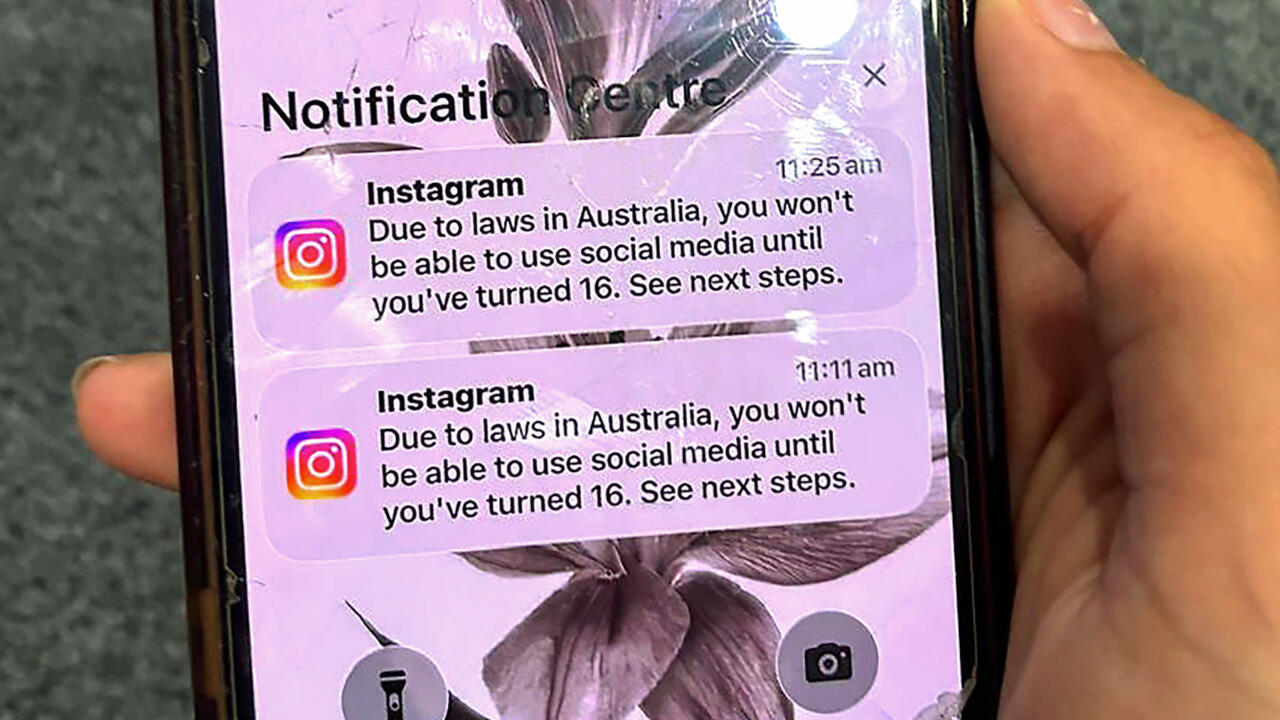
Imagine being 14, opening your favourite social media platform and suddenly your entire digital life is gone. No warning, no countdown, just a full lockout. That’s exactly what’s happening in Australia and the shockwaves haven’t stopped. This isn’t a minor policy tweak, it’s the biggest forced youth exit from social media in history. The world’s questioning if this is a bold rescue or a reckless experiment.
Reason Behind Taking This Step
Governments defending the ban claim the evidence is so disturbing that doing nothing became impossible. They point to teenagers drowning in anxiety, dopamine hacked feeds built to addict them and predators hiding behind harmless looking profiles. And the truth is uncomfortable. Kids were bypassing age checks with ridiculous ease, some as young as eight were running accounts. The state finally stepped in because platforms clearly weren’t going to.
Enforcement of The Ban
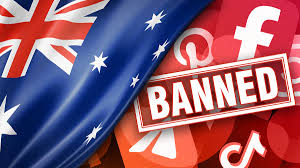
The enforcement part is the real jaw dropper. Platforms must now detect and delete under 16 accounts proactively, using behavioral fingerprints and age verification tech that’s barely out of the lab. No ID uploads, no easy shortcuts and fines so high that even giants like Meta and Google can’t ignore them. Instagram, TikTok, YouTube, Snapchat, X, all forced into a scramble they definitely did not plan for.
Reactions Of Social Media Platforms
The platforms are not pretending to like it. X publicly said it’s only doing this “because the law leaves no choice”. Meta accused the government of rushing a policy that could backfire. TikTok warned teens might now flee to hidden, unregulated platforms where no one is watching. Even Snapchat admitted the rule could create safety problems nobody has thought through. Creators? They woke up to crushed reach and disappearing young audiences.
Will It Actually Protect Teens?
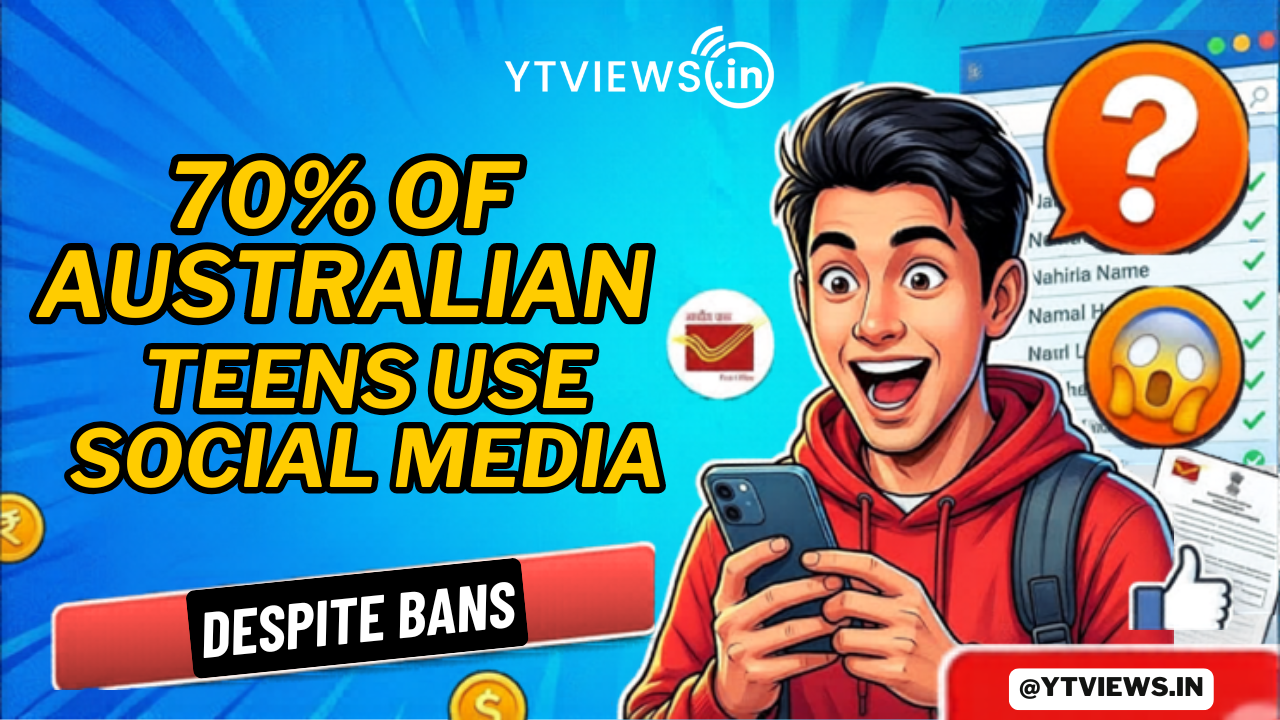
Now the uncomfortable question, does any of this actually solve the problem? Teens are already swapping VPN hacks, age bypass tricks and fake verification templates. Critics argue this ban could unintentionally drive kids into darker digital spaces, the exact opposite of what lawmakers want. Supporters fire back that messy protection is still better than decades of deliberate neglect.
Conclusion
One thing’s clear, this isn’t a local issue anymore. The entire world is watching Australia like it just triggered a global domino effect. If this works, countries from the US to Europe won’t hesitate to copy it. If it fails, it might become the biggest “we told you so” moment in tech regulation. Either way, the era of kids roaming freely online just ended and nobody knows what comes next.
Related Posts


YouTube Experiments with TV-Style Channels for CTV Viewing