





























YouTube AI Likeness Claims: Everything Explained

YouTube AI Likeness Claims detection tool is to assist qualified creators in spotting possible instances of where their facial likeness is being utilized, and to demand its removal from the platform whenever it is in breach of its privacy policies. AI-generated videos can be easier for somebody’s face to show up in material that he or she did not create or endorse. Let’s discuss how it works, and some things creators should know.
What Are YouTube AI Likeness Claims?
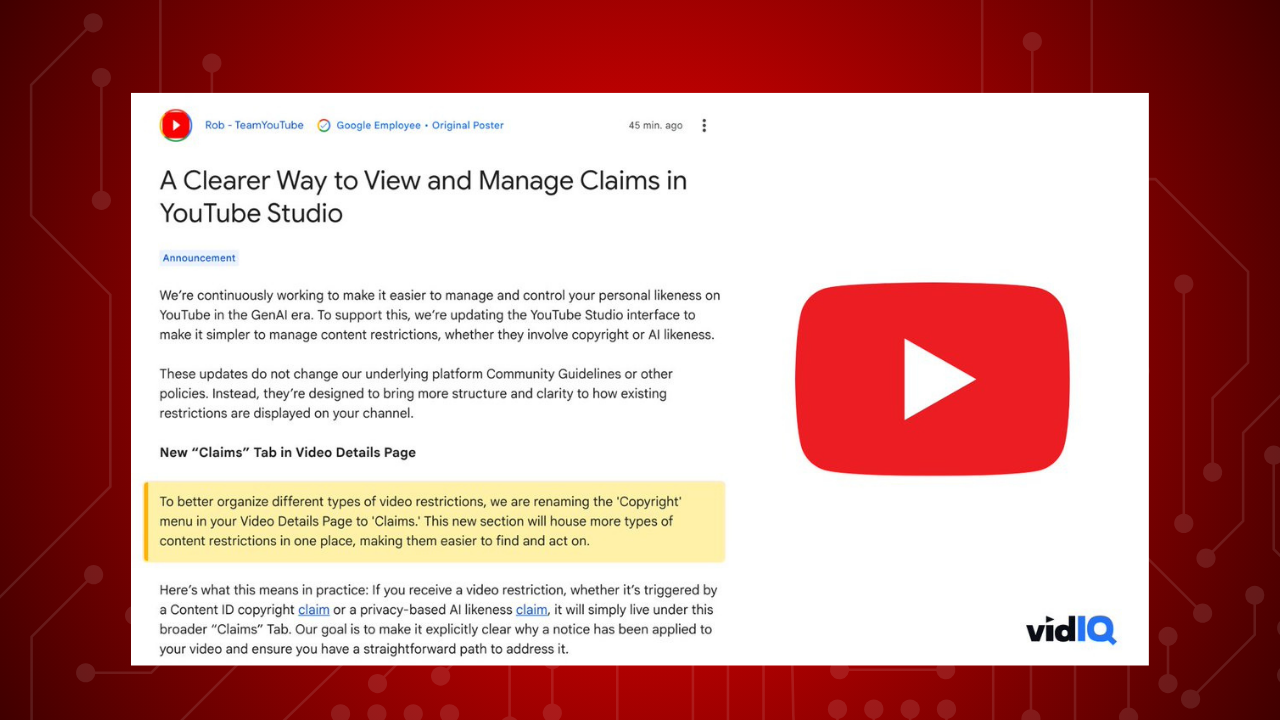
With the help of YouTube AI likeness claims detection feature, enrolled creators can discover the videos in which their likeness has been altered or AI-generated. The system currently identifies facial images, but YouTube states it plans to expand to sound in the future. If a potential match is found, creators can access it and choose to either request that it be removed via the privacy complaint process on YouTube or retain it.
How YouTube’s Updated Claims System Works
Likeness detection is like Content ID in that it does the same as searching YouTube for potential matches, but it isn’t a copyright claim system. Eligible creators join by undergoing Google’s identity verification process and submitting their government-issued ID and short video of their face. Then, YouTube examines the submitted reference and images from the creator’s YouTube videos to identify any potentially altered or AI-generated appearances. The detection doesn’t affect the visibility of a video, but content could be removed from YouTube later if it breaks guidelines.
When Can Creators Dispute YouTube AI Likeness Claims?
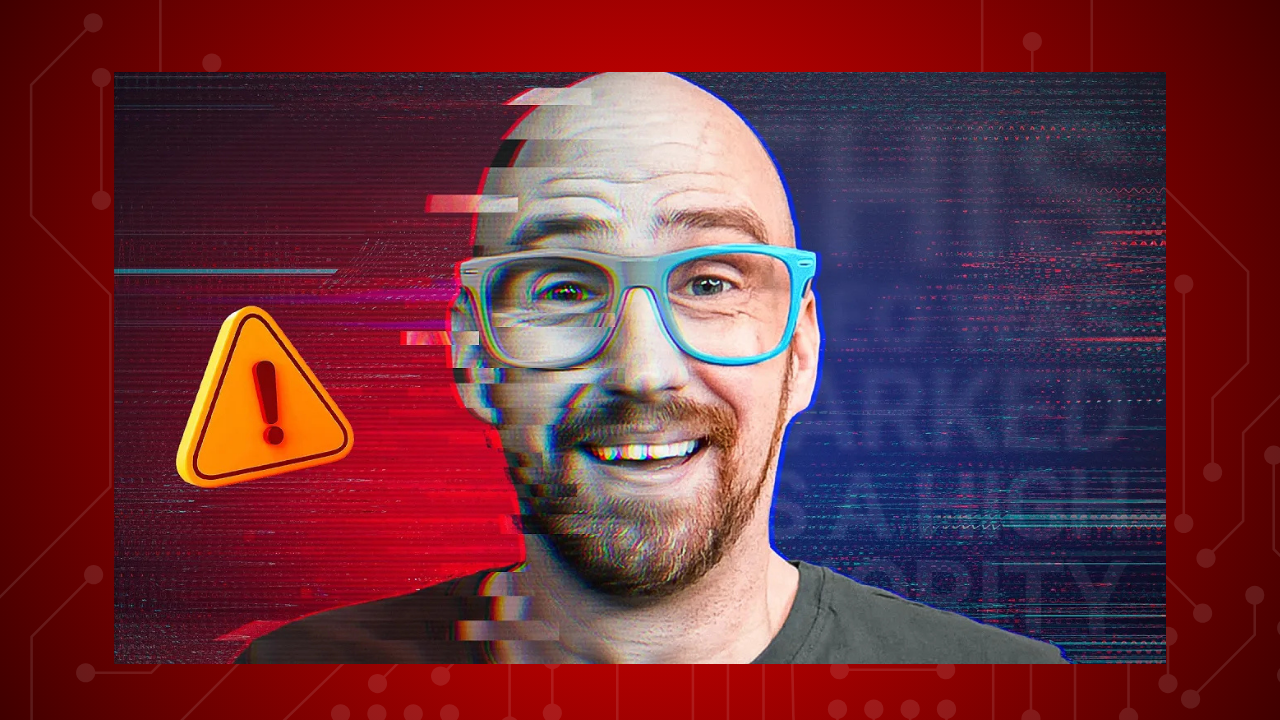
Once a match is detected, it does NOT mean that the video will automatically be removed. Creators can choose to view possible matches and to get these removed if suitable. YouTube takes account of factors under its privacy guidelines such as the fact that the content is a realistic representation of the person and the presence of public interest.
What Creators Should Check Before Using AI-Generated Content
YouTube says it’s obliging for creators to disclose when they use AI to play a meaningful role in creating content that’s realistic, such as making a real person look like they’re saying or doing something that they didn’t. Creators must also be mindful that no person’s likeness may be used without permission or consent and that there are some types of impersonation which are not permitted under YouTube’s policies.
Final Thoughts
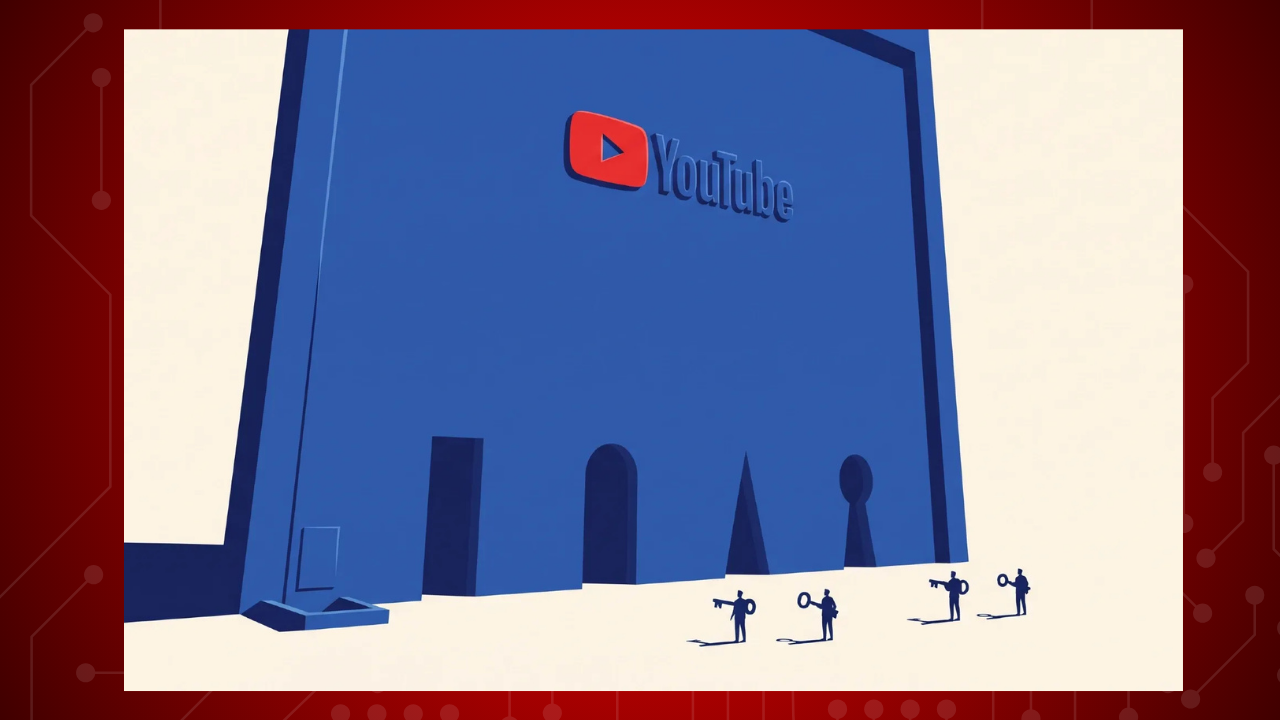
Likeness detection is a new feature for eligible creators on YouTube that allows them to discover AI-generated uses of their face and ask YouTube to remove it if it is inappropriately used. But simply being detected will not mean the content will be removed, and creators who have made content with AI-generated likenesses need to adhere to YouTube’s Privacy and Altered Content disclosure policy.
Related Posts
Is YouTube Making Shorts Revenue Harder?
YouTube: YouTube’s September Monetization Changes

YouTube Adds Amazon Affiliate Links: What Creators Need to Know

YouTube Viewership Services – how can creators boost their views?
How Samay Raina Cracked the YouTube Growth Formula