




























TikTok Steps Up Age Checks as Europe Tightens the Rules

TikTok isn’t reacting for no reason. Across Europe, the mood around social media has shifted. Governments are no longer just asking platforms to “do better”—they’re talking about bans, age limits, and real penalties. Against that backdrop, TikTok has announced new age assurance steps for European users, while also reminding regulators that the app plays a major role in the EU economy.
It feels less like a launch and more like a defensive move.
How TikTok Plans to Spot Underage Users
In the coming weeks, TikTok says it will roll out stronger tools to detect accounts run by children under 13. These tools build on a pilot program that already led to thousands of underage accounts being removed.
Instead of trusting the birth date entered at sign-up, TikTok now looks at patterns. Profile details, the kind of videos someone posts, and how they behave on the app all matter. If something looks off, the account is sent to a moderator for review before any action is taken.
What Happens When TikTok Gets It Wrong
TikTok admits the system isn’t perfect. When an account is removed by mistake, users can appeal. To prove age, TikTok gives various options, including facial age estimation, credit card checks and government ID submission.
None of these are ideal, but they show the company is trying to close obvious loopholes.
Why Europe Isn’t Backing Down
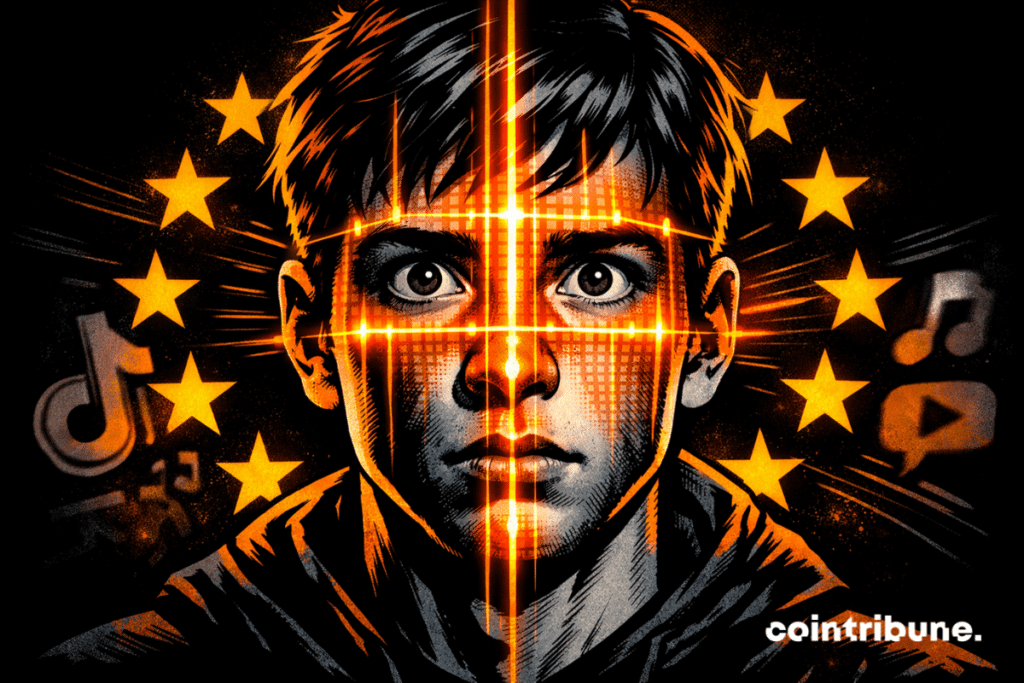
Even with these changes, many EU countries are moving ahead with tougher laws. France is exploring a ban on social media for under-15s. Similar conversations are happening in Spain, Italy, Germany, and Greece. Australia’s recent laws haven’t stopped teens from using social apps, but they’ve clearly pushed Europe to act faster.
Better tech helps, but lawmakers want guarantees.
TikTok’s Economic Reminder
Alongside safety updates, TikTok released figures claiming it generated €31 billion in economic value across the EU in 2025. Germany, France, Italy, and Spain account for most of it. TikTok also says it supported millions of businesses and tens of thousands of creative jobs.
The point is obvious: regulating TikTok has economic consequences.
Conclusion: Context Helps, But Scrutiny Stays
TikTok’s updates won’t make regulators relax. Europe is already deep into enforcement mode. Still, these steps add important context to the debate. The platform isn’t ignoring the problem—it’s trying to stay involved before decisions are made without it.
That may not stop new laws, but it does change the conversation.
Related Posts

Netflix Opens the Door for India’s Next Generation of Storytellers

TikTok Takes Comments to the Next Level with Voice, Polls and Carousels


Why Instagram Removed IGTV and How Reels Replaced It

How Meta Will Pull Off Massive Changes to Its Social Media Apps