






























Why Tumblr Never Got Famous in Asian Countries

Tumblr helped define internet culture, shaped fandoms and turned aesthetics into a language. Yet across most Asian countries, it barely exists in everyday digital life. This wasn’t because people didn’t know about Tumblr. It’s because the platform never aligned with how Asia actually uses social media. Popularity online isn’t about influence alone, it’s about fitting into daily behavior.
Built for Expression
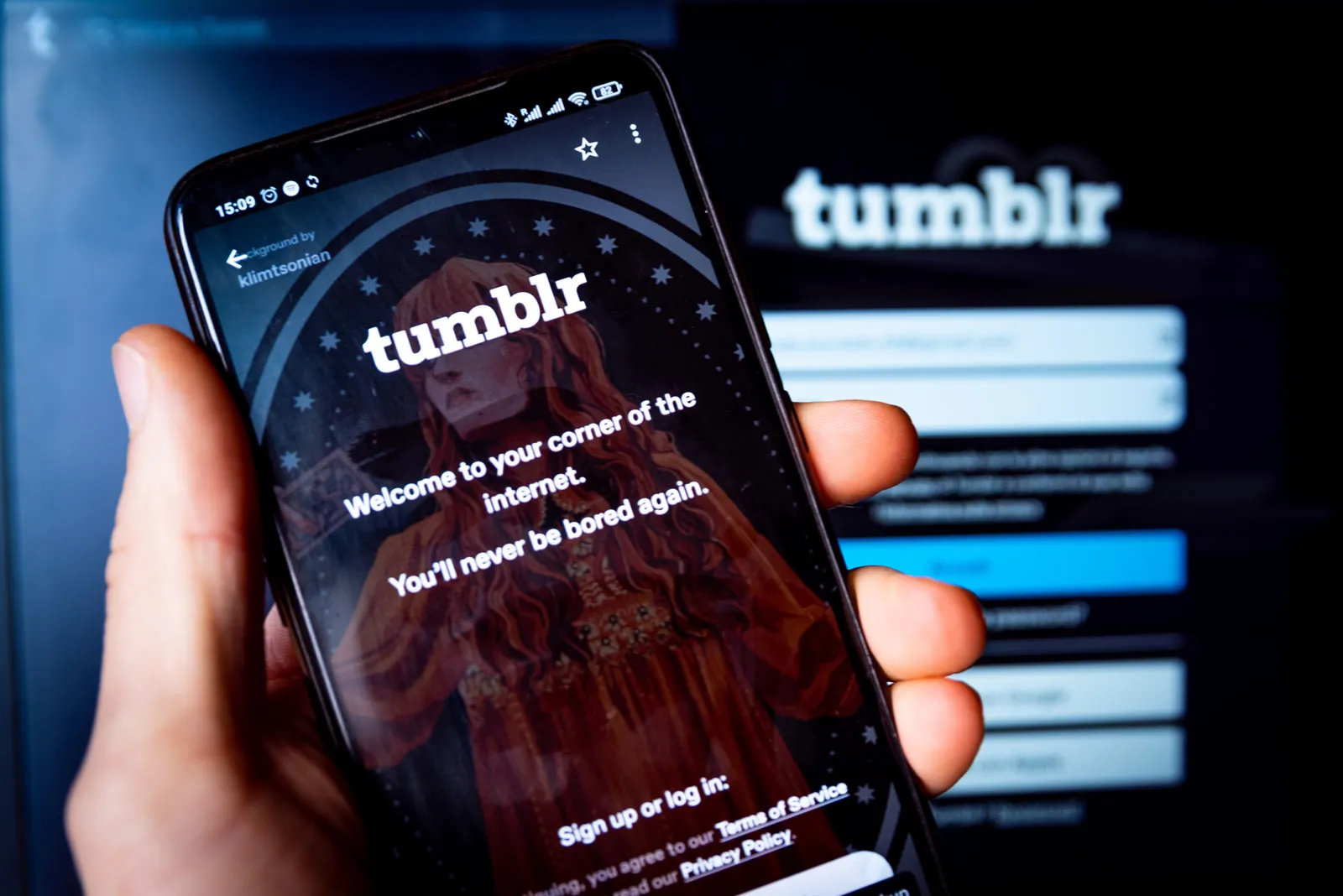
Tumblr was designed for slow, thoughtful self expression. Personal blogs, long scrolling feeds and niche communities were its strength. Asian social media habits lean the opposite way. Users prefer speed, simplicity and low effort interactions. Short videos and quick reactions dominate. Tumblr asks users to create worlds, Asian platforms reward instant participation. That friction alone limits mass adoption.
Utility Beats Creativity
Asia didn’t reject Tumblr, it already had better tools. Platforms like WeChat, LINE and KakaoTalk became digital infrastructure, not just social networks. While Tumblr offered creativity, but no daily necessity. They combined messaging, payments, news and services in one place. When a platform doesn’t solve practical problems, it becomes optional. Optional platforms rarely survive in highly competitive markets.
Localization Was Weak
Tumblr always felt imported. English dominated its interface, trends and discovery system. Asian platforms succeed because they feel native from day one. Users don’t adapt to platforms, platforms adapt to users. Regional languages, local creators and culturally specific content were never prioritized. Tumblr failed that test. A platform that feels foreign struggles to become a digital home.
Trust Was Unstable
In several Asian countries, Tumblr faced blocks, restrictions or scrutiny over content. Then came the 2018 adult content ban, which took away a major part of its identity. That policy shift hurt global trust and was especially damaging in Asia, where consistency matters. Creators left, momentum stalled and new users had no reason to stay.

Relevance Beats Legacy
Tumblr didn’t disappear because it was bad. It disappeared because it was unnecessary. In Asia, social platforms survive by becoming habits, not hangouts. Creativity alone isn’t enough. Utility, speed and cultural alignment decide winners. Tumblr remained a niche space for expression, not a daily tool for life and on the Asian internet, if you’re not useful, you’re invisible.
Related Posts

Netflix Opens the Door for India’s Next Generation of Storytellers

TikTok Takes Comments to the Next Level with Voice, Polls and Carousels

Why Instagram Removed IGTV and How Reels Replaced It

How Meta Will Pull Off Massive Changes to Its Social Media Apps