





























Indian Instagram vs American Instagram Algorithm

If we just look at Insta from far of course it’s algorithm looks like one single system working the same way everywhere.
But being in this industry and having our clients from India as well as foreign. We can say that if you are a brand posting in India and comparing your growth with creators in the US, the experience is very different.
Why does this happen? What are the factors that actually build that difference?
1. Audience Interactions Determine Instagram’s Algorithm
Content does not get dispersed randomly across Instagram. It is based on audience interaction in specific regions.
Compared to other regions, users in India consume content at a rapid pace. People watch reels and entertainment content (trending sounds, humor, daily life, life hacks). Content creators understand this and jump on viral sounds, often resulting in massive reach.
Conversely, users in the US engage at a deeper level. Saves, shares, profile visits, and time spent on the content (videos) all account for engagement. Niche content, personal brands, and storytelling does well, but slower for sustained growth.
2. Value in the Content vs Volume in the Content
India is a big market for social media, thus there’s a lot of competition for content creators. Content in the fashion, motivation, and comedy niches gets posted by the millions daily. This causes the algorithm to test content aggressively. If a Reel does not perform well in the first few minutes, the reach drop substantially.
In the US, Instagram’s focus shifts to valuing content instead of volume. If a Reel gets saved often enough, the algorithm promotes it even days after it gets posted. This is often the reason why growth in the US, is more stable yet feels slower.
3. Monetization and Creator Ecosystem
The United States markets have more potent brand investments and systems for creator monetization. The features on Instagram algorithmically advantages those who extend the session time on the application.
When it comes to monetization in India, it is still in its early stages. Because spikes in engagement are rewarded more than long-term loyalty to a creator, many creators shift their focus to trending content rather than developing a niche.
4. Language & Localization
There are many languages spoken in India, and so many people in India use Instagram in Hindi, Hinglish, and other regional dialects. Since localized content is relevant, the algorithm shows it to more people. In the U.S, Instagram is more niche oriented as opposed to being language oriented.
5. Quality vs Quantity
The difference between India and the U.S market becomes most visible when we look at how often creators do post vs how their content connects.
In India, of course, quantity plays a major role. The algorithm also favors creators who post frequently and stay active around trends. Posting more increases the chances of getting viral. But what about after that virality? That’s mostly either low reach or if shows up daily and be consistent then spikes in reach.
In U.S, quality matters more as it carries more algorithmic weight than frequency. Even if creators post less often, when they do, the content is expected to deliver value, and that brings us to quality posting.
- Indian creators feel preassure to post more to stay relevant.
- U.S creators focus on refining their messgae, visuals, and narrative before even publishing.
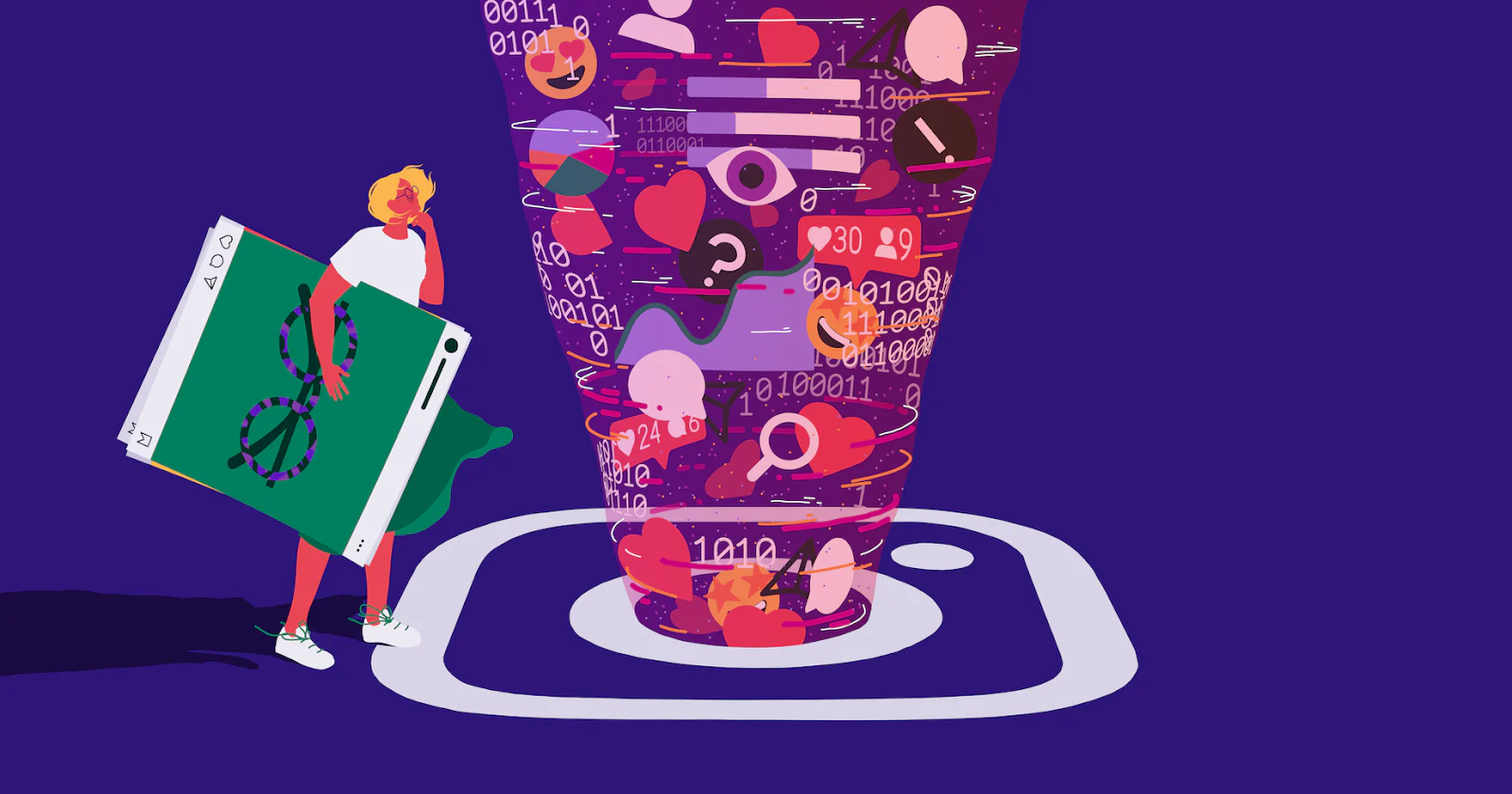
This is not a difference which is only to be responsible by creators, but the platform algorithm, also adapts to user behaviour differently in across region.
Final Thought
Instead of being biased, Instagram’s algorithm changes to better serve the content people want to see.
It is important to Indian creators to constantly be engaged in the latest trends.
It is important to American creators to provide value with more in-depth conten
Being aware of this difference when creating content will inevitably lead to faster growth.
Related Posts

Instagram: Can Instagram’s First Draft Make Reel Editing Faster?
Instagram Has a New Look — But Does It Really Matter to Creators?
Can Instagram’s New AI Rules Accidentally Hurt Real Creators?
Why Creators Should Stop Judging YouTube Success by Views Alone