




























Instagram Uncovered: The Algorithm Through the Years

Throwback to the simpler days, 2014-ish (good old days TBH). When Instagram was that cozy corner of the internet where you posted random sunsets, blurry friend selfies, and your Starbucks cup with a Valencia filter. There was no talk of “algorithm” or “reach.” You’d scroll chronologically, see your friends’ posts in the order they were shared, drop a heart here and there, and that was that. No pressure, no strategy, just vibes and filters.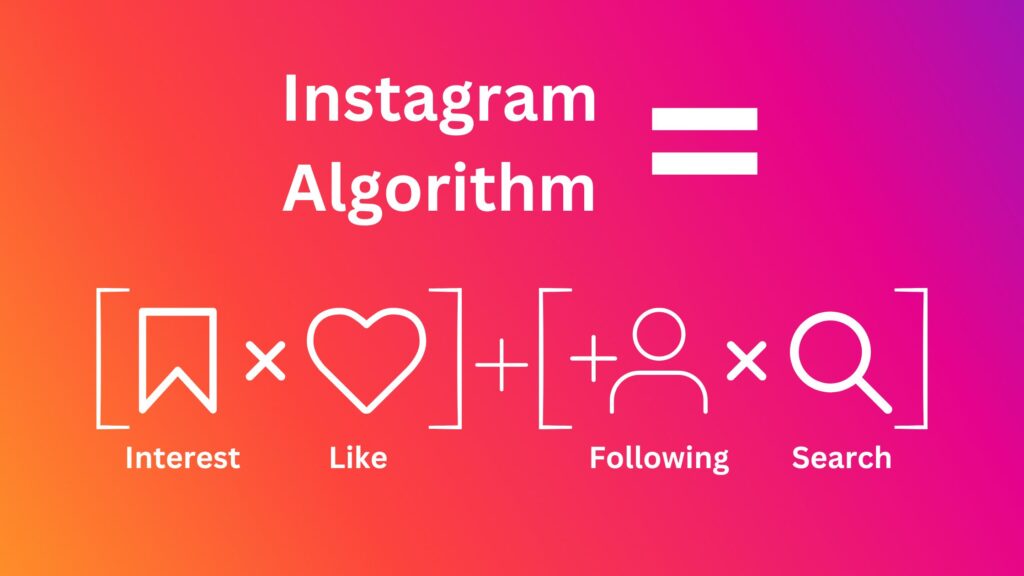
Engagement Overload: The Age of Likes and Comments
Somewhere around 2016, Instagram stopped being just a photo-sharing app. Suddenly, likes and comments became the new currency. People started caring about timing like when to post, what hashtags to use, how to make the algorithm “like” them back. Engagement wasn’t just a word; it was survival.
This was when Instagram became less of a scrapbook and more of a stage. Every post was planned. Every caption was crafted. And yes, we all secretly refreshed the app to watch those little hearts roll in.
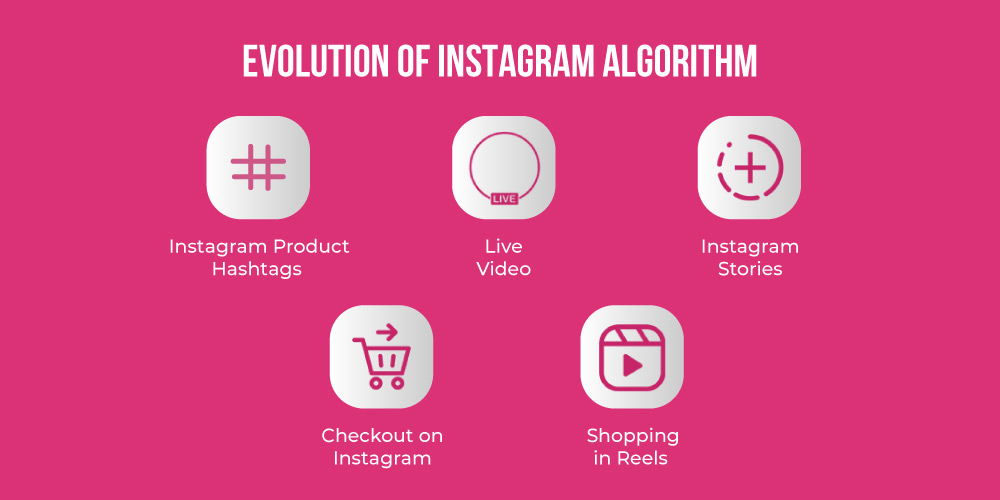
Then came 2017, the era of Stories. Borrowed from Snapchat, yes, but Instagram made it their own. Suddenly, people were documenting their entire day: morning coffee, gym mirror selfies, random pet clips. Stories made Instagram addictive as you didn’t just check in, you stayed in. And then IGTV arrived, trying to rival YouTube.
2024: The Reels Revolution
When TikTok exploded, Instagram panicked – and then adapted. Enter Reels. Suddenly, the app was a mini entertainment hub. Short videos took over our feeds, music trends ruled our explore page, and we all had at least one friend who became a “content creator overnight.” (I’m still trying to be that friend, so watch out besties). Reels changed everything, not just how users consumed content, but how they created it.
The algorithm, once focused on your friends and followers, started pushing what it thought you wanted. You didn’t need to follow people to see them anymore; you just needed to pause on their video long enough.
2026: The Age of Personalization and AI
Fast forward to now, Instagram knows you better than your best friend. You think about something, and boom, it’s in your explore tab. (Creepy but true.) The platform’s algorithm has become hyper-personalised, driven by AI that studies what you like, skip, replay, and even hover on. Every scroll feels tailor-made.
It’s not just about who you follow anymore; it’s about what keeps you scrolling. Instagram has evolved into an ecosystem of behaviours predicting, adapting, and learning from you every second.
 Conclusion
If there’s one thing the last decade of Instagram has taught us, it’s that you either evolve with it or get buried under its updates. The creators and brands that survived weren’t the ones who complained about “the algorithm ruining reach” they were the ones who learned it, played with it, and used it to their advantage. Because every new feature, from filters to Reels to AI recommendations, is just another chance to reinvent how you show up online.
Instagram isn’t the same app it was 10 years ago, and honestly, neither are we. Back then, we posted for fun. Now, we post with purpose. With intention. The algorithm may keep changing, but maybe that’s the point. It forces us to, too.
Related Posts

Instagram: Can Instagram’s First Draft Make Reel Editing Faster?
Instagram Has a New Look — But Does It Really Matter to Creators?
Can Instagram’s New AI Rules Accidentally Hurt Real Creators?
Why Creators Should Stop Judging YouTube Success by Views Alone